
Solid vs. Engineered Hardwood in Texas Homes: What to Know Before You Choose
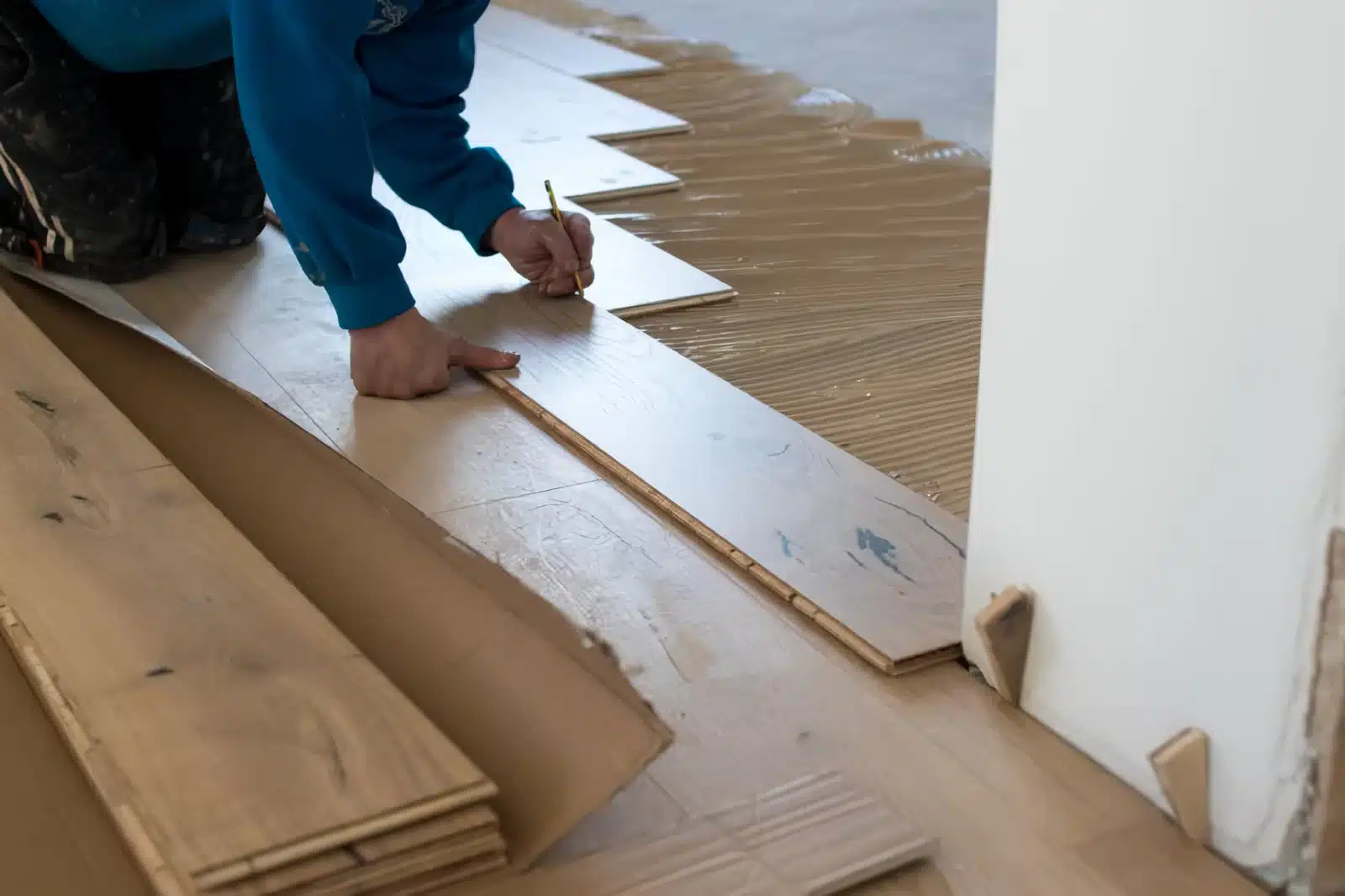
Choosing between solid and engineered hardwood flooring isn’t just a design decision — in Texas, it’s also a structural and environmental one. Climate, foundation type, and indoor humidity all play a role in how well a wood floor performs over time.
Understanding the differences upfront can help you choose a floor that not only looks great on day one, but continues to perform well for years to come.
The Basics: Solid vs. Engineered Hardwood
Both solid and engineered hardwood offer the natural beauty of real wood, but they’re constructed differently — and that difference matters in Texas homes.
What Is Solid Hardwood Flooring?
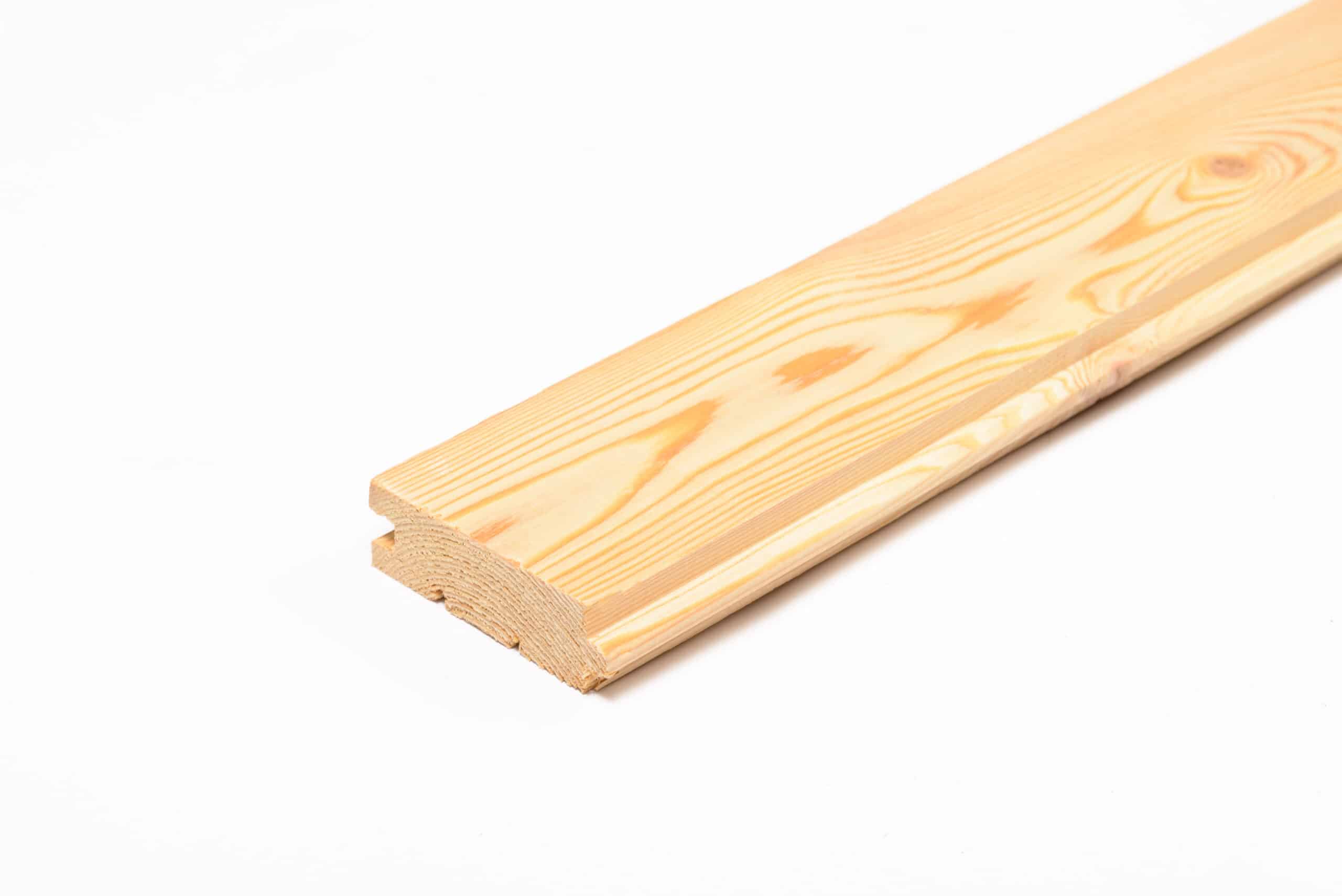
Solid hardwood is made from a single, solid piece of wood, typically ¾” thick. Each plank is milled from one species of wood and finished either on-site or at the factory.
Key characteristics:
- Can be sanded and refinished multiple times
- Long lifespan when properly installed and maintained
- Sensitive to moisture and humidity changes
What Is Engineered Hardwood Flooring?
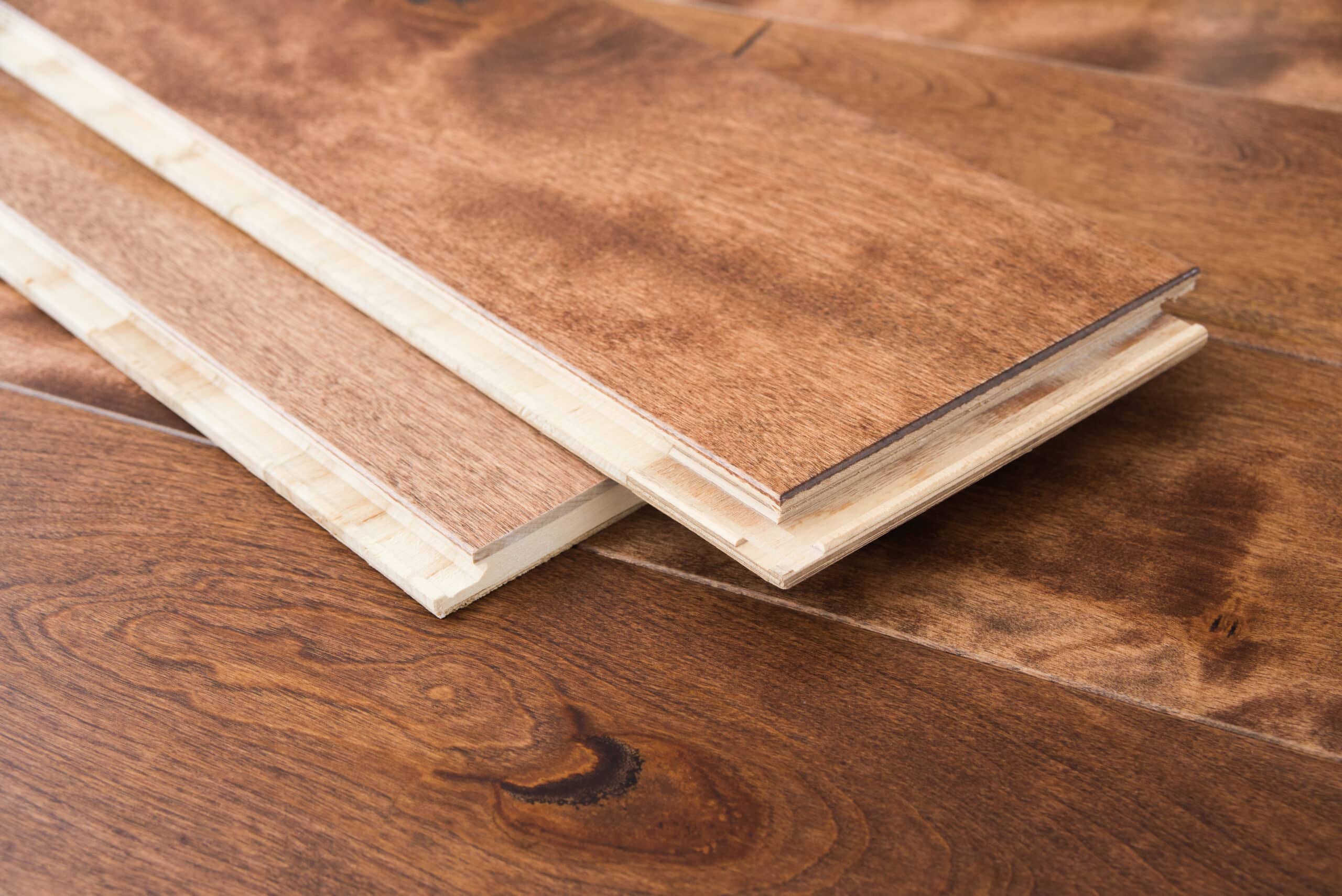
Engineered hardwood is built in layers. The top layer is real hardwood veneer, while the core consists of multiple layers of plywood or high-density fiberboard, designed to increase stability.
Also: There are many beautiful options of high quality engineered hardwood
Key characteristics:
- Greater resistance to expansion and contraction
- Suitable for slab foundations and multi-level homes
- Limited number of refinishes, depending on veneer thickness
If repairs or replacements are needed, engineered flooring collections or colors may be discontinued, requiring a total floor replacement.
Why Texas Homes Require Special Consideration
Texas presents unique challenges for wood flooring, particularly in North Texas.
Climate and Humidity
In North Texas, seasonal humidity changes can cause wood flooring to expand and contract, making proper acclimation and installation techniques just as important as the flooring material itself.
In solid hardwood, this movement can lead to cupping, gapping, or cracking if the flooring isn’t properly acclimated, moisture tested, and installed according to manufacturer and NWFA guidelines.
Engineered hardwood’s layered construction helps minimize this movement, making it more forgiving in fluctuating conditions.
Slab Foundations
Many Texas homes are built on concrete slab foundations, which requires careful consideration when choosing hardwood flooring. Engineered hardwood is generally the preferred option for slab installations because its layered construction provides greater dimensional stability and allows it to be installed directly over concrete with proper moisture mitigation.
Solid hardwood is typically not recommended for direct installation over concrete slabs without specialized subfloor systems and moisture control measures, which can significantly increase cost and complexity.
Regardless of flooring type, moisture testing and vapor barriers are critical when installing hardwood over concrete. Even dry-looking slabs can emit moisture that affects wood flooring over time. Professional installers test moisture levels and use appropriate vapor barriers or adhesives designed to protect against moisture-related issues.
Indoor Environment
Homes with inconsistent climate control — such as rooms that receive intense sunlight or experience temperature swings — often benefit from engineered hardwood’s added dimensional stability.
Which Option Is Right for Your Home?
There’s no universal “better” choice — only the right choice for your specific home and goals.
Solid Hardwood May Be Ideal If:
- Your home is built on a raised foundation
- You want maximum refinishing potential over decades
- Indoor humidity levels are stable year-round
- You prefer traditional installation methods
Engineered Hardwood May Be the Better Fit If:
- Your home sits on a concrete slab
- You want real wood with added stability
- You’re installing below grade or on upper floors
- You want wider plank options with less movement risk
Comparison Table
The comparison below highlights common differences between solid and engineered hardwood flooring. Actual suitability depends on factors such as foundation type, indoor humidity control, and installation method, and some applications may vary based on product selection and site conditions.
| Feature | Solid Hardwood Flooring | Engineered Hardwood Flooring |
|---|---|---|
| Impact on Home Value | Widely considered a top-tier flooring option that can positively influence buyer perception and long-term resale value when properly installed and maintained | Adds value and buyer appeal, though typically perceived as a step below solid hardwood in long-term resale positioning |
| Best For Homeowners Who Want | Maximum longevity, customization, repair flexibility, and top-of-the-line resale perception | Real wood with stability, installation flexibility, and controlled floor height |
| Repairability After Damage | Individual boards can often be replaced, laced in, and refinished to achieve a seamless, like-it-never-happened appearance | Repairs may be limited by product availability, dye lot changes, or discontinuation, sometimes requiring partial or full replacement |
| Customization & Finish Options | Fully customizable stain color, sheen level, and surface texture (smooth to rustic hand-scraped) | Limited to factory-applied finishes and available color options |
| Construction | Single, solid piece of wood | Real hardwood veneer over layered plywood or HDF core |
| Typical Thickness | 3/4 inch (19 mm) | 3/8 inch – 5/8 inch (10–15 mm) |
| Wear Layer | Entire plank is usable wood | Veneer typically 1–6 mm thick |
| Refinishing Potential | Can be refinished multiple times over decades | Limited by veneer thickness |
| Dimensional Stability | More sensitive to humidity changes | More resistant to expansion and contraction |
| Best Foundation Type | Raised / pier-and-beam foundations | Slab, raised, multi-level homes |
| Installation Locations | Above grade only | Above grade, below grade, upper floors |
| Door Clearance Impact | More likely to require door trimming | Often reduces or avoids door trimming |
| Cabinet & Appliance Impact | May affect dishwasher and toe-kick clearance | Helps preserve existing clearances |
| Plank Width Options | Narrower widths perform best in Texas | Wider planks with less movement risk |
While solid hardwood is traditionally associated with raised foundations and engineered hardwood is commonly used over concrete slabs, there are exceptions that require additional materials and installation planning. A professional evaluation helps determine the most appropriate solution for each home.
Installation: Why Quality Matters As Much As Material
Regardless of which product you choose, proper installation is critical. Acclimation, moisture testing, subfloor preparation, and installation method all play a major role in long-term performance.
A professionally installed solid hardwood floor can outperform a poorly installed engineered floor — and vice versa. That’s why material selection and installation planning should always be handled together.
Making the Right Choice with Confidence
The best hardwood flooring choice balances appearance, performance, and the specific conditions of your home. Evaluating foundation type, indoor environment, and long-term expectations together leads to better results and fewer surprises over time.
A professional assessment can help ensure the floor you choose is one that performs as beautifully as it looks.