

Hardwood Flooring Blog
Recent Post
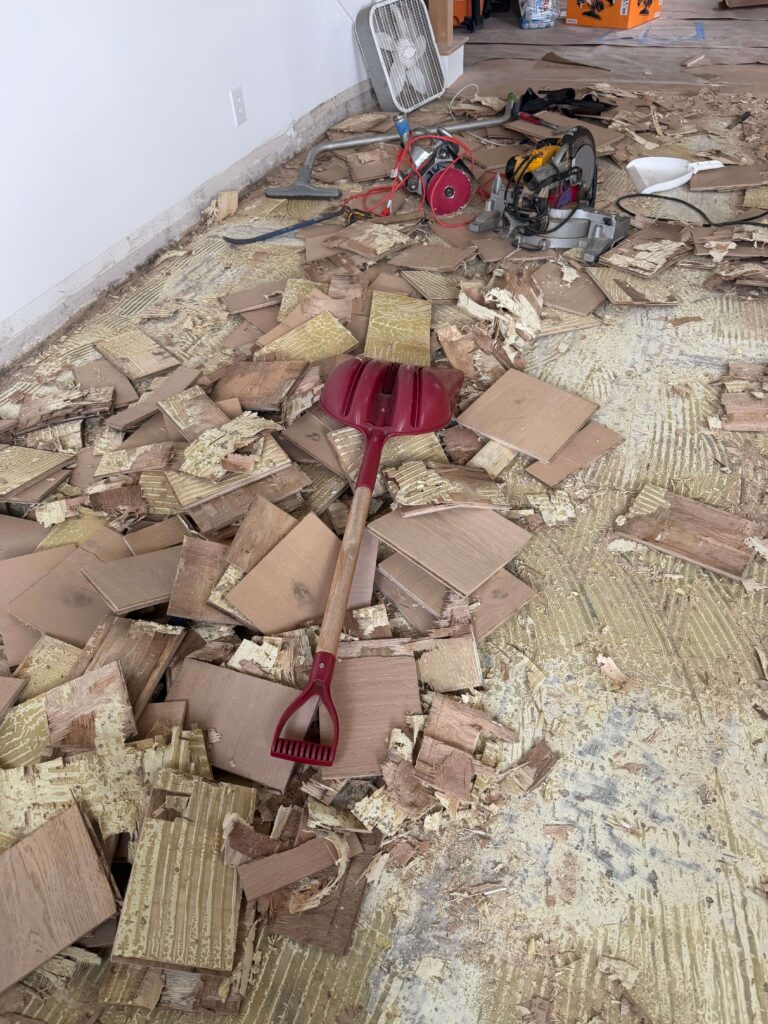
Who Repairs the Floor After Water Damage?
The quick answerTwo different trades handle two different halves of the job. A restoration company dries the structure and removes…
Recent Post
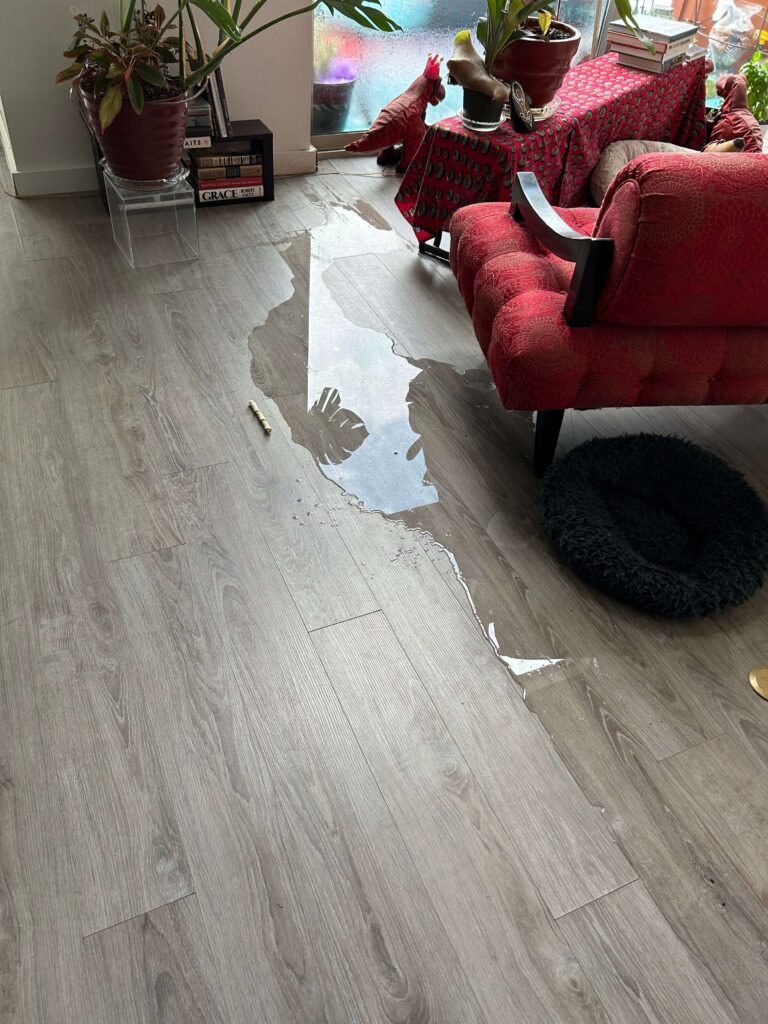
How Do You Know If There Is Mold Under a Hardwood Floor?
The quick answerFour signs point to moisture trapped beneath a hardwood floor: a musty odor that doesn’t clear with cleaning,…
Recent Post
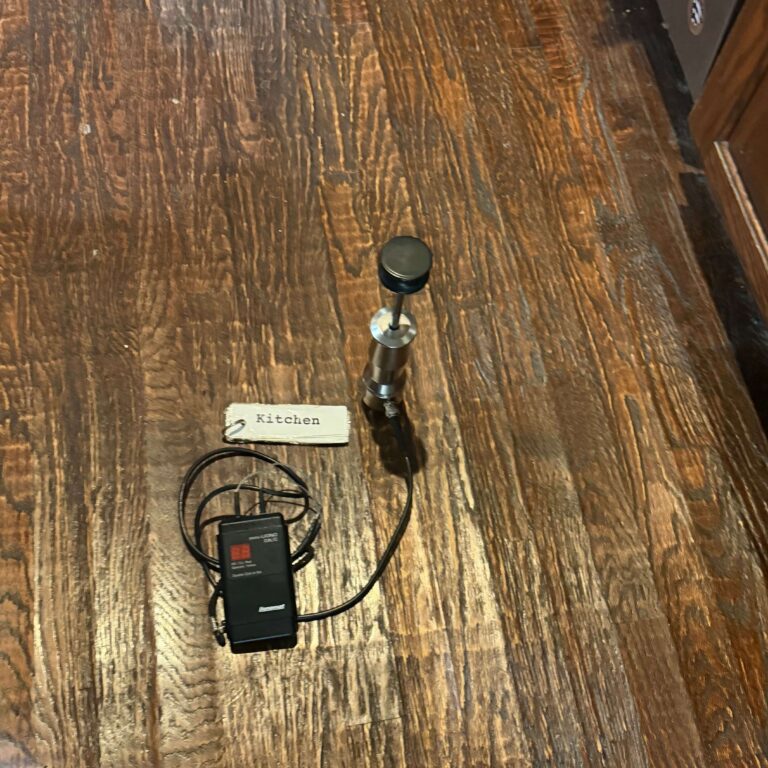
Why Are My Hardwood Floors Cupping, and Will They Flatten Back Out?
The quick answerCupping happens when the underside of the wood holds more moisture than the finished surface, causing the edges…
Recent Post
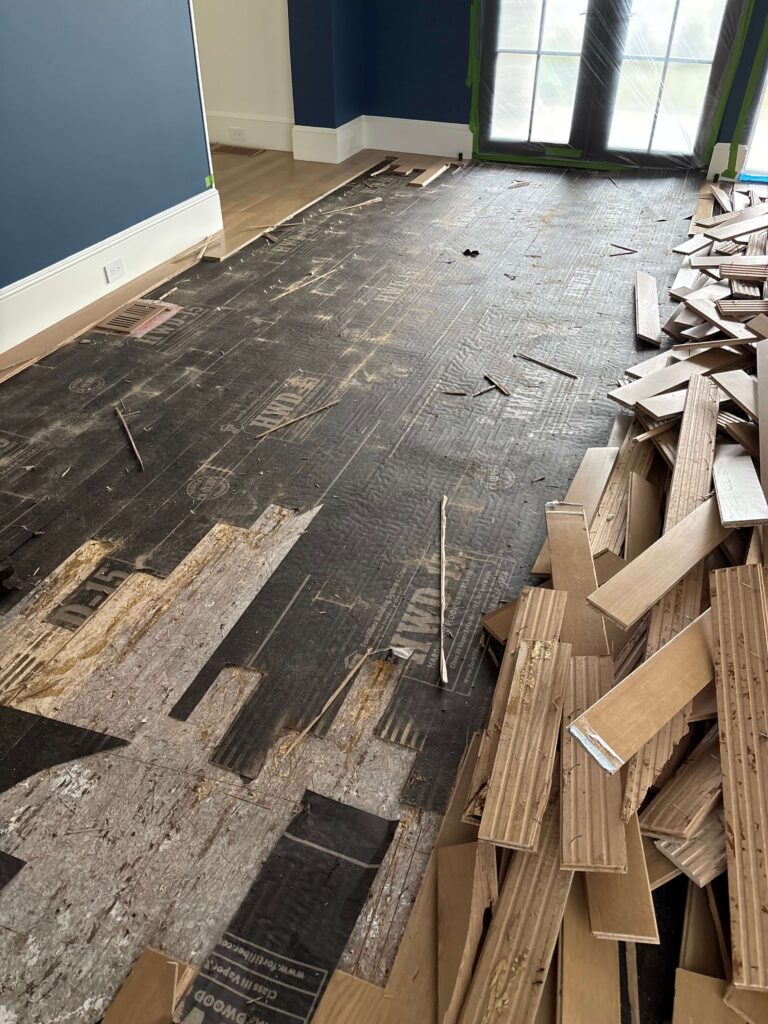
Can Water-Damaged Hardwood Floors Be Refinished, or Do They Need Replacing?
The quick answerYou can match the wood by species, width, and grain. You can’t match the color by installing new…
Recent Post
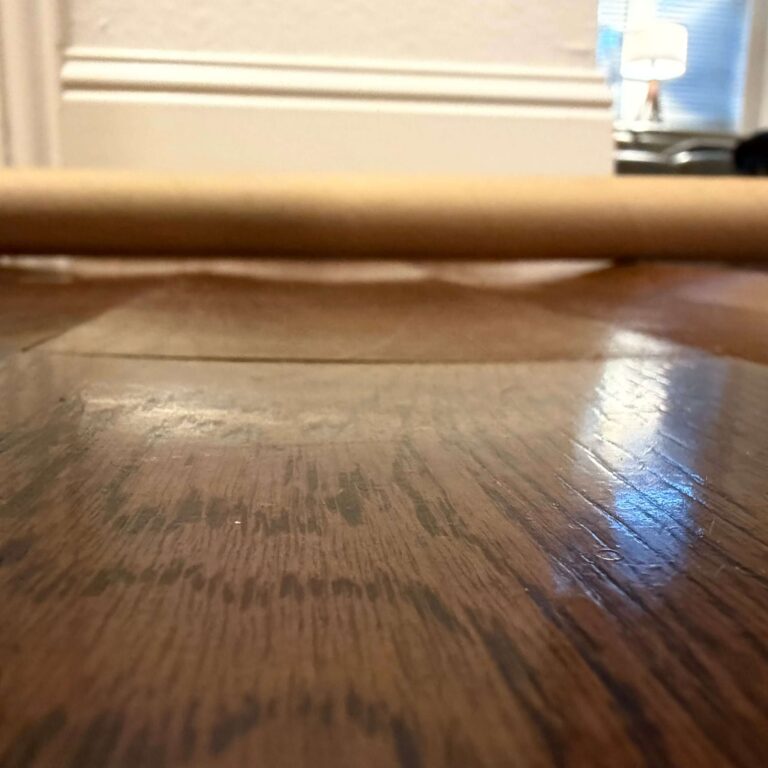
Water Stains and Dark Spots on Hardwood Floors
The quick answerThe mark’s color tells you how deep the water got. White or cloudy spots sit in the finish…
Recent Post
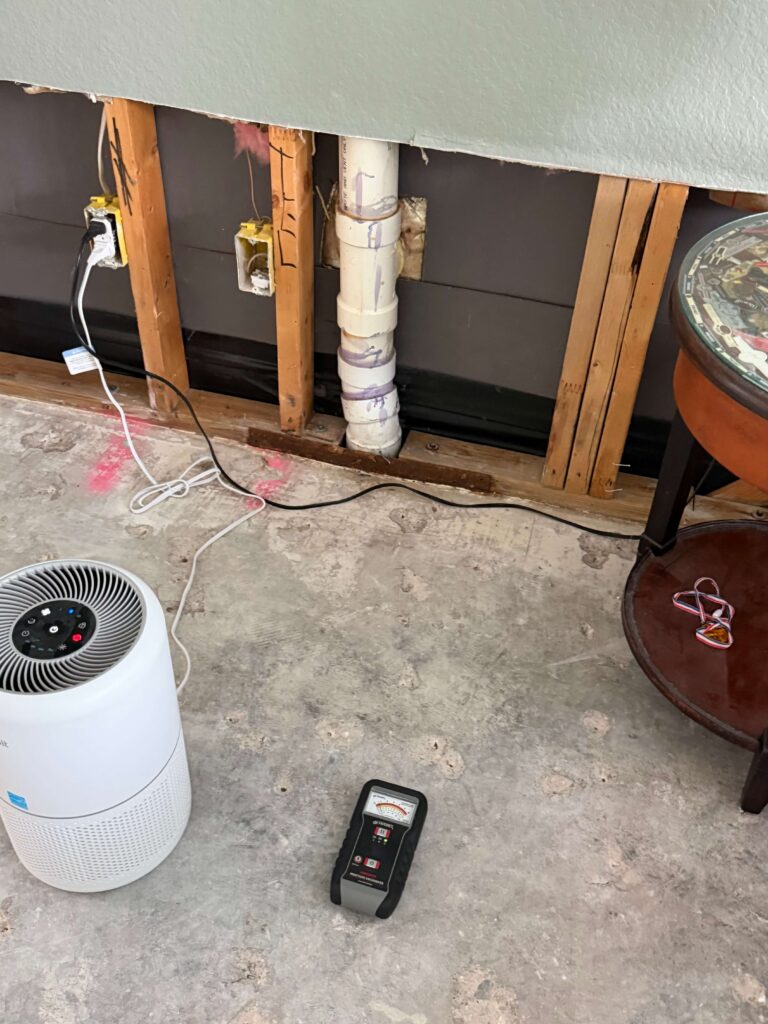
Does Homeowners Insurance Cover Water-Damaged Hardwood Floors?
The quick answerMost homeowners’ policies cover hardwood floor damage when the water event is sudden and accidental, such as a…
Recent Post
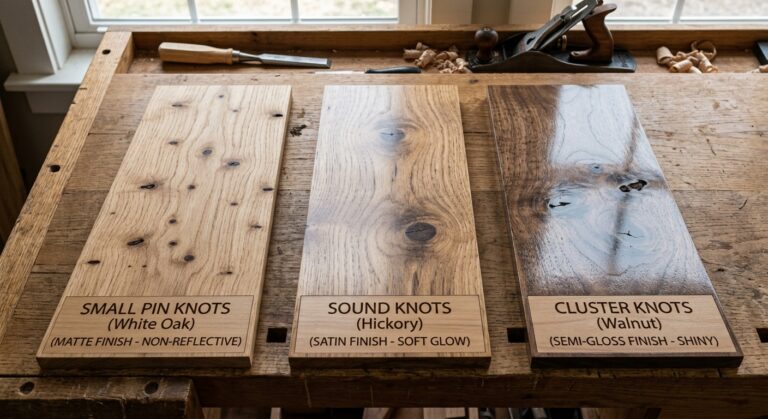
How Many Knots Do You Want in Your Floor?
The quick answerKnots, color swings, and dark mineral streaks are not defects. They are a grade, and you decide the…
Recent Post
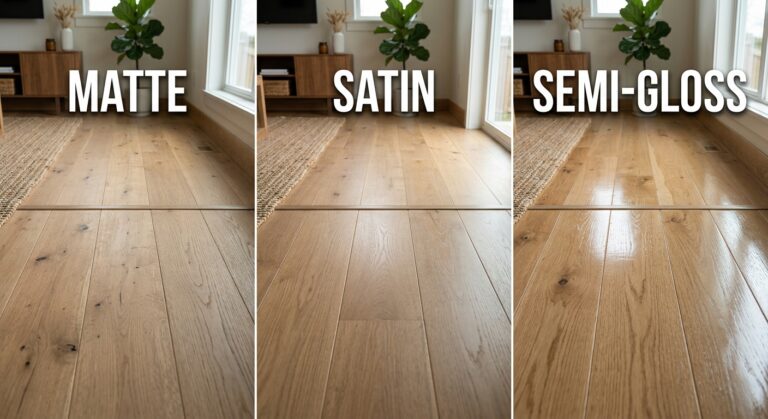
Matte vs Satin vs Semi-Gloss Hardwood Floors
The quick answerMatte hides the most. Semi-gloss hides the least. Sheen measures how much light a finish reflects, and reflected…
Recent Post
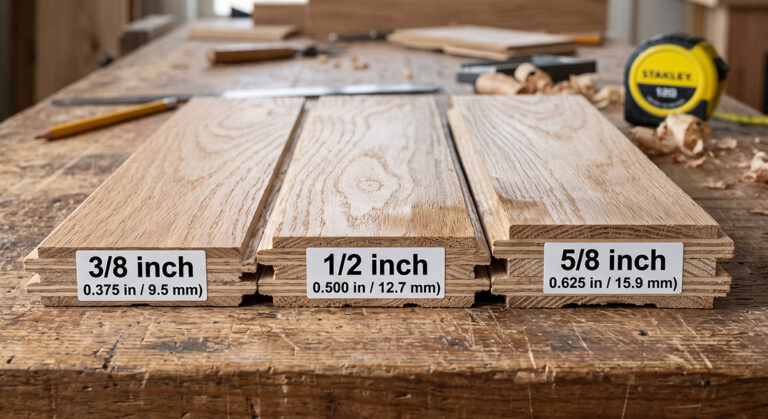
3/8″ vs. 1/2″ vs. 5/8″ Engineered Flooring Thickness: What Difference Does It Make?
The quick answerEngineered hardwood thickness determines how your new floor meets doors, cabinets, and existing flooring, and which installation methods…