Your Top Flooring Questions Answered
The quick answerSolid hardwood remains a timeless choice for Texas homes, with engineered hardwood and LVP as strong alternatives depending on the room. Hardwood can go over concrete with the right testing and moisture barrier. Keep indoor humidity between 30% and 50%, refinish when the finish turns dull or scratched, and call a specialist at the first sign of water damage.
Choosing flooring for your home comes with a lot of decisions, and the same questions come up in nearly every consultation we have. Here are straight answers to the ones we hear most, from picking the right floor to keeping it beautiful for decades.
What Is the Best Type of Hardwood Flooring for Texas Homes?
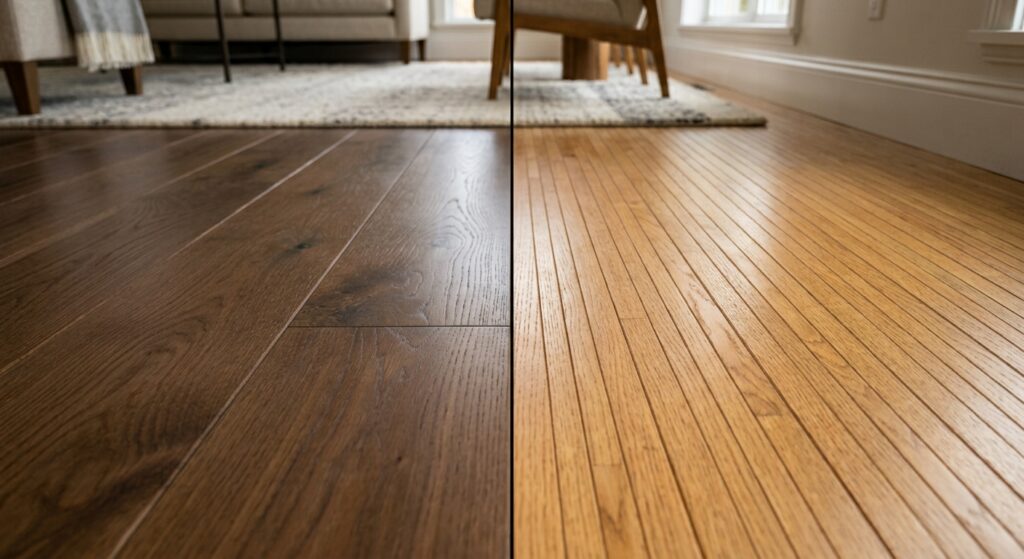
Solid hardwood is a timeless choice for Texas homes when it is properly installed and finished. Engineered hardwood and luxury vinyl plank (LVP) have become popular options too. The best fit depends on how each room is used and the look you want.
Between solid and engineered, the deciding factors are usually plank width, door and cabinet heights, and budget. Our engineered hardwood installation page explains how that product is built and where it fits. Species matters just as much. Homeowners planning hardwood floor installation in Richardson usually start by comparing how red oak and white oak differ in color, hardness, and stain.
Can You Install Hardwood Over Concrete?
Yes, but it requires a specific installation process. The slab is inspected and tested first to confirm its moisture content is less than 4%. From there, the installation team lays a 6-mil poly sheet as a moisture barrier, anchors plywood into the slab, adds a layer of roofing felt, and then installs the hardwood.
Depending on the project, hardwood can be nailed down to that plywood subfloor or glued down with a specialty adhesive. A glue-down installation needs extra prep, such as leveling the concrete, to create a strong and lasting bond. If you are planning hardwood floor installation in Dallas and your home sits on a slab, this testing step always comes first.
Wondering which floor suits your home?
Tell us about your rooms and your foundation, and we will walk you through the options that fit.
How Do You Protect Hardwood Floors From Humidity?
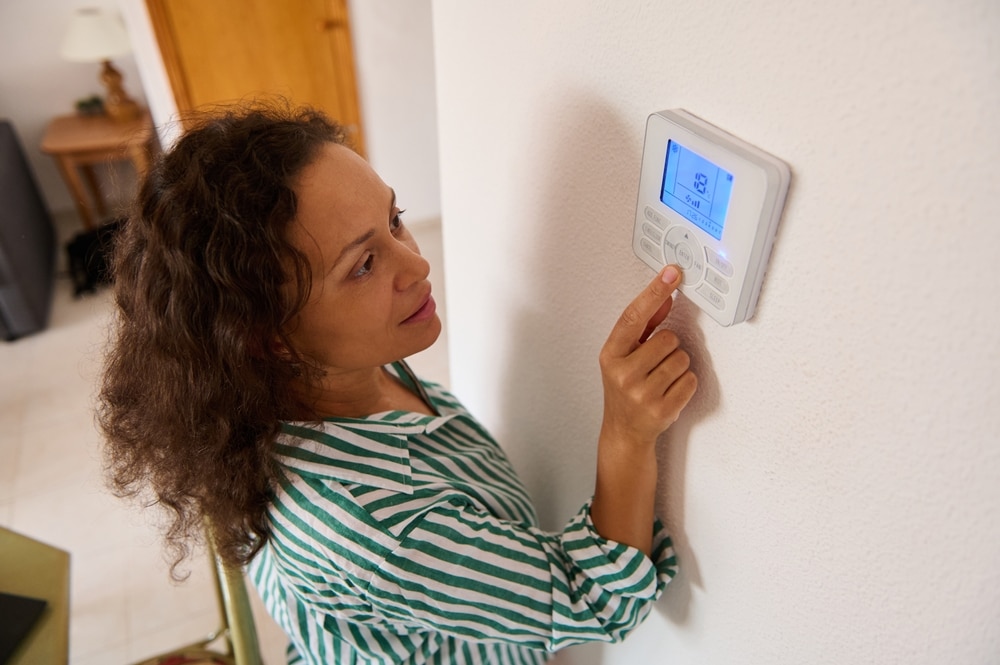
Texas weather can swing from dry to humid quickly. Keep indoor humidity between 30% and 50% and your A/C temperature between 65°F and 75°F. Many modern air conditioning systems include humidity controls that help keep conditions stable for your floors.
Leave your heating or air conditioning on when you travel, even at a higher or lower setting than usual. A house that sits closed up without climate control lets moisture build, and the floor absorbs it.
When Should You Refinish Hardwood Floors?
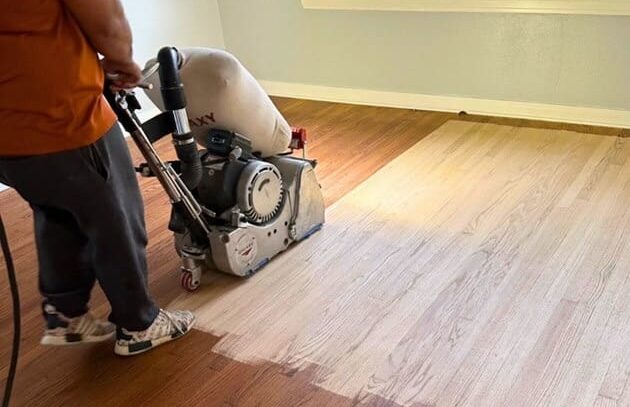
Hardwood floors can last a lifetime with proper care. When you notice scratches from furniture or pets, discoloration from sun exposure, or dullness from everyday wear, it may be time to refinish. A professional can tell you whether sanding and resealing will restore the floor or whether deeper repair is needed.
Refinishing also gives you a chance to change the look. One of the first choices is the finish itself, and our comparison of oil-based and water-based polyurethane covers how each affects color, cure time, and odor.
What Are the Signs of Water Damage on Hardwood?
Water damage often shows up as buckling, cupping, discoloration, or delamination. It can come from dishwasher leaks, A/C units, or even ground water seeping in.
Do not wait for it to dry on its own. If you notice any of these signs, contact a flooring specialist to test for moisture and find out how far the damage goes. The sooner it is measured, the more of the floor can usually be saved.
Noticed cupping, buckling, or dark spots?
We test the floor and subfloor for moisture and give you a clear answer on what it needs.
What Kind of Maintenance Do Hardwood Floors Need?
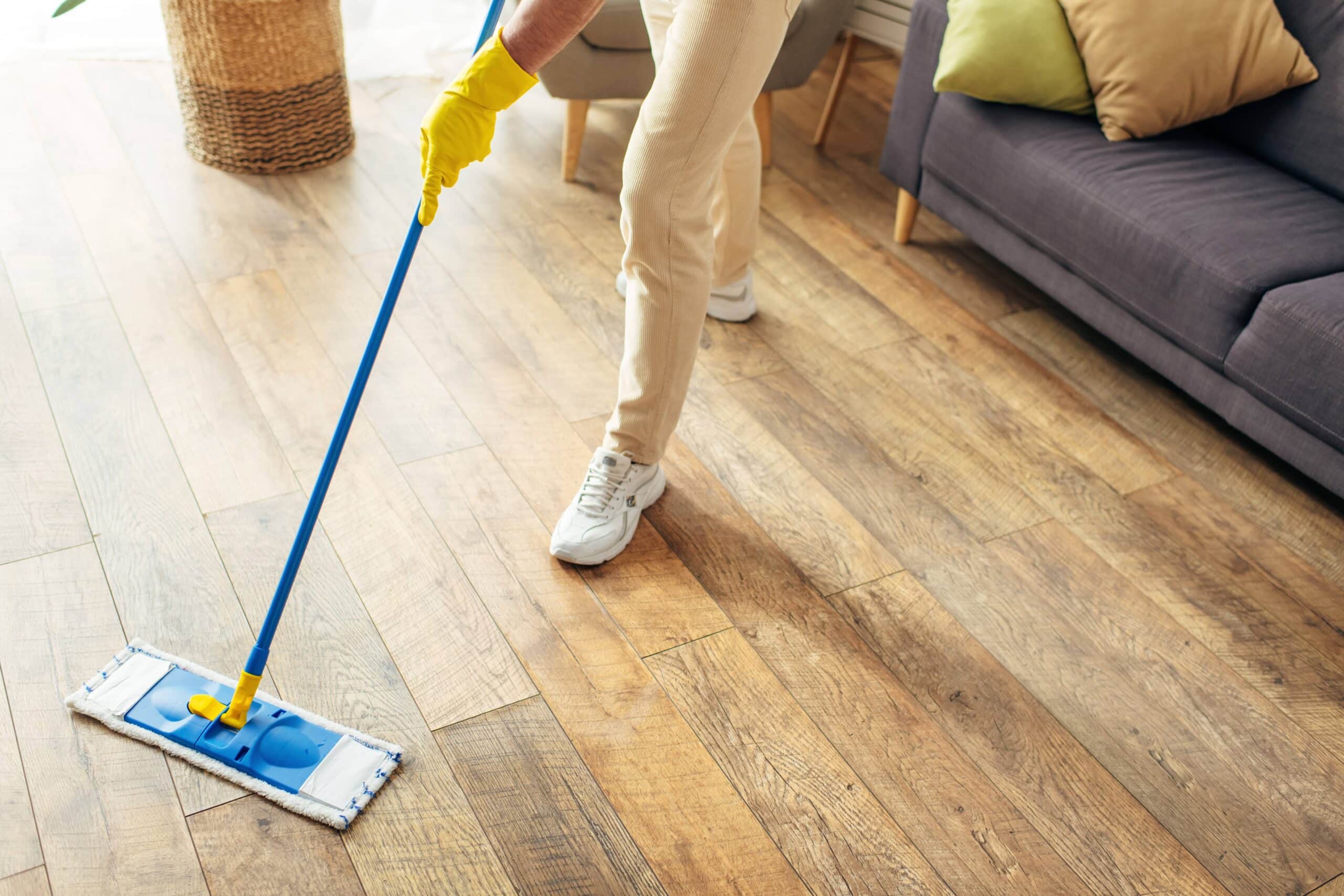
Routine sweeping and cleaning with a damp, warm cloth keep hardwood in top shape. Avoid soaking the surface or using harsh chemicals, which can damage the sealer or polyurethane finish.
Felt pads under furniture prevent scratches, and a stable indoor climate prevents the expansion and contraction that lead to gaps and cupping.
How Do You Choose the Right Flooring Company?
Hardwood is an investment, so the team you hire matters as much as the product you pick. Look for experience, clear answers about the process, and a chance to see real samples before you decide. Our guide to what to look for when hiring a flooring company lists the questions worth asking.
Seeing a sample in person makes the decision much easier. You can compare 650 samples at our appointment-only Dallas showroom, and a senior project manager or one of our owners is involved in every project from that first visit on.
650samples in our Dallas showroom
50+ yrsof experience behind our team
NWFAmember
3 generationsfamily-owned
Still Have Flooring Questions?
Hardwood floors are an investment, and it pays to be informed. Our team is here to help you choose, install, and care for flooring that will last for years.
Frequently Asked Questions
Is engineered hardwood real wood?
Yes. Engineered hardwood has a real wood top layer over a plywood or HDF core. Whether it or solid hardwood suits your home usually comes down to plank width, door and cabinet heights, and budget.
Can hardwood and LVP be used in the same home?
Yes. Many homeowners put hardwood in the main living areas and LVP in wet rooms like laundry rooms and bathrooms, choosing colors that transition cleanly between spaces.
Do hardwood floors need to be glued or nailed over concrete?
Either can work. Nail-down installations go over a plywood subfloor anchored to the slab, while glue-down installations need extra prep, such as leveling the concrete.
How should I clean hardwood floors day to day?
Sweep regularly and clean with a damp, warm cloth or microfiber mop. Never soak the floor or use harsh chemicals that can damage the finish.