Solid vs. Engineered Hardwood in Texas Homes: How to Choose
The quick answerChoose solid hardwood if you want the most refinishing potential, a fully custom on-site finish, and repairs that blend in decades from now. Choose engineered hardwood if you want a wider plank, need to preserve existing door and cabinet clearances, or want real wood across a broader range of budgets. Both perform well in Texas homes when installed correctly.
Choosing between solid and engineered hardwood is a design decision and a practical one. In Texas, how the floor is installed, how it meets your doors and cabinets, and how it will be maintained over the years all matter as much as the look on day one.
What Is the Difference Between Solid and Engineered Hardwood?
Both give you real wood. Solid hardwood is a single piece of wood, typically ¾ inch thick, milled from one species and finished either at the factory or on site in your home.
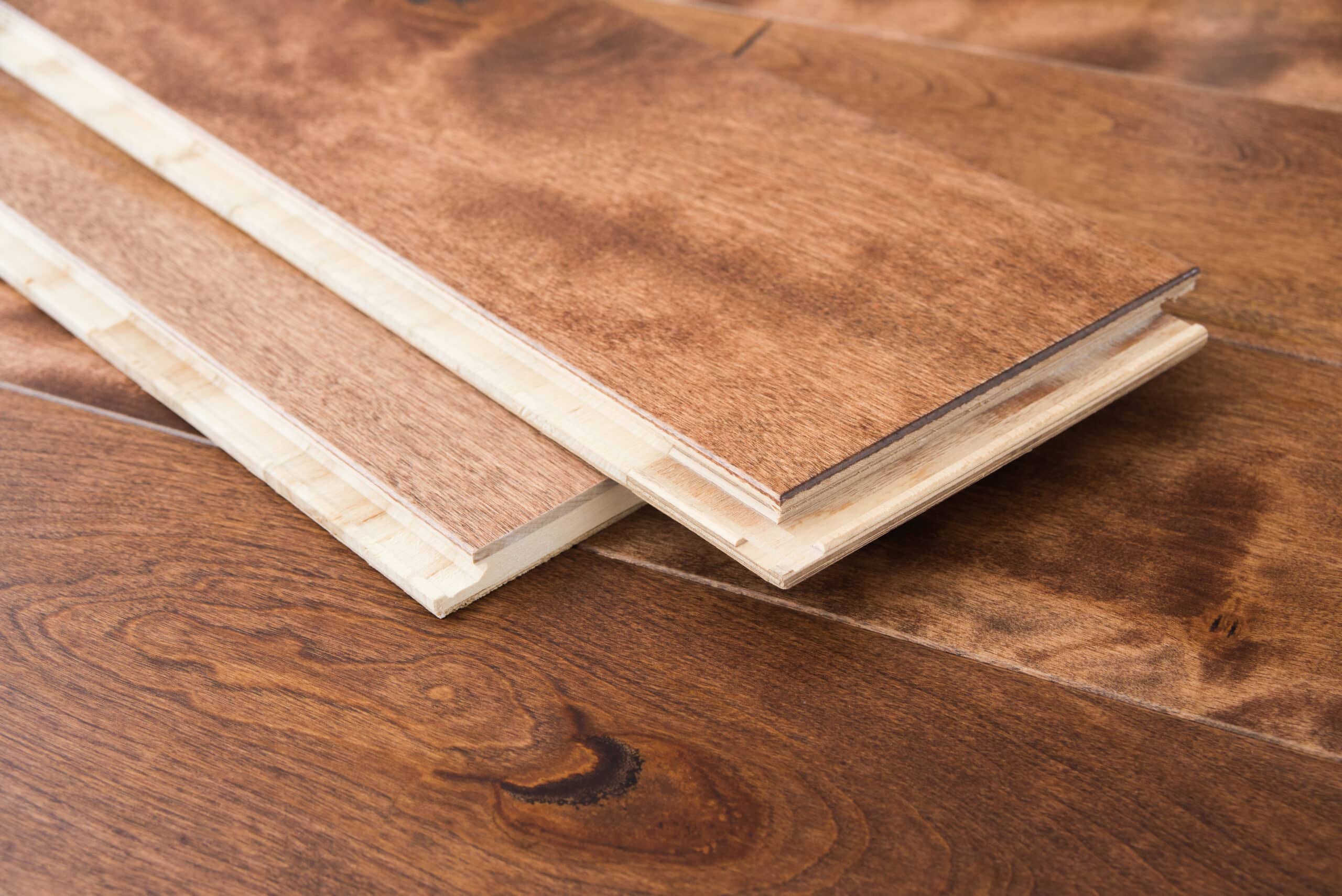
Engineered hardwood is built in layers: a real hardwood veneer on top of a core of plywood or high-density fiberboard. There are many beautiful, high-quality engineered products, and we install them regularly. The veneer decides how much sanding the floor can take, which our guide to engineered plank thickness and wear layers explains in detail.
Which Factors Actually Decide It?
For most homeowners, the choice comes down to three practical factors: plank width, door and cabinet heights, and budget.
Plank Width
Width is often the first thing homeowners react to, and it is where the two products genuinely differ. If you are drawn to a wide-plank look, engineered opens up more options. Solid hardwood performs best in narrower widths in our climate.
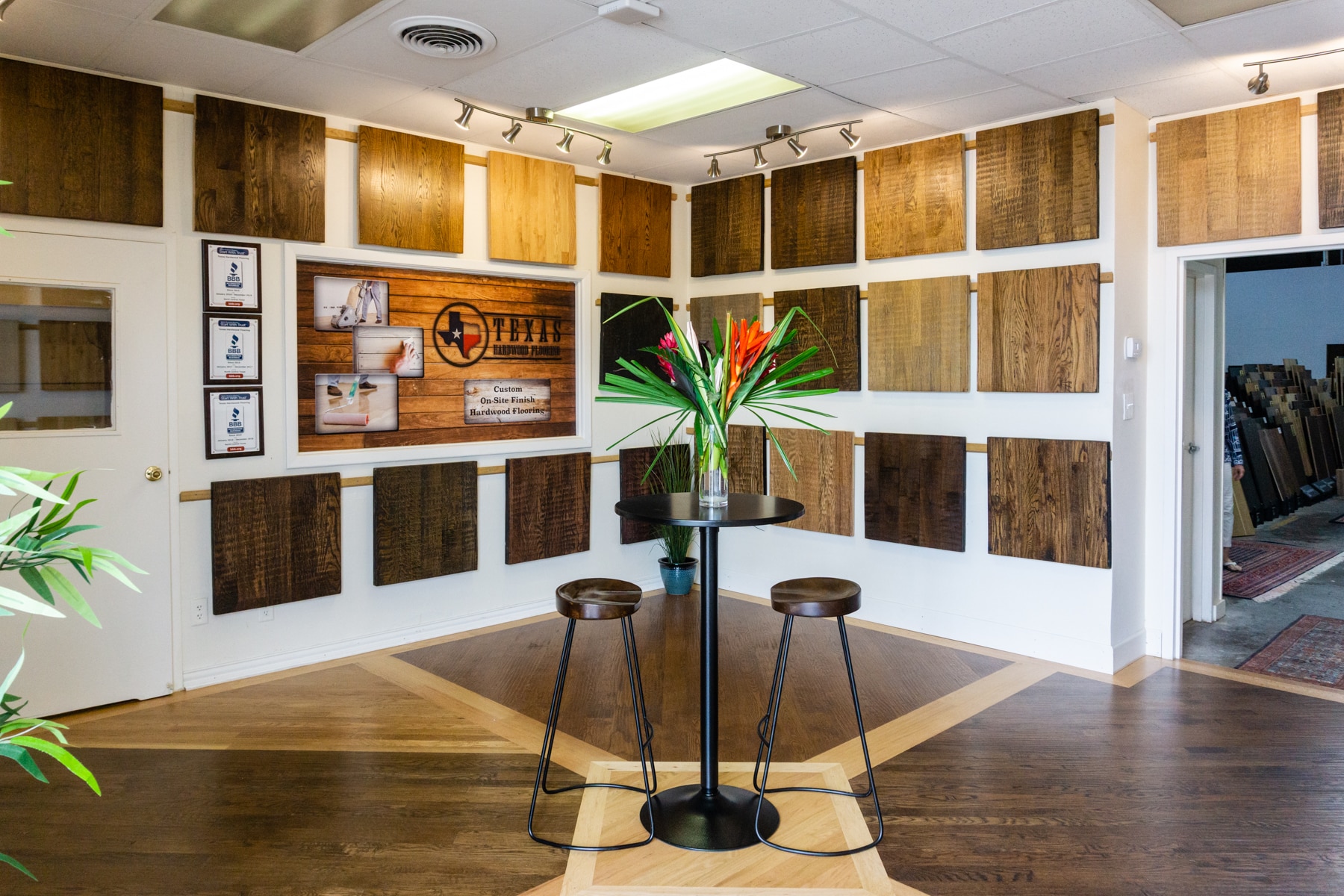
Seeing widths side by side helps more than any spec sheet. Our appointment-only Dallas showroom has 650 floor and stain samples on hand.
Door and Cabinet Heights
This is the factor people forget until installation day. Solid hardwood at ¾ inch builds more height than a thinner engineered plank, which can mean trimming interior doors or affecting dishwasher and toe-kick clearance. Engineered often preserves existing clearances.
Neither outcome is a dealbreaker. It just needs to be planned for rather than discovered. If you are planning hardwood floor installation for a Southlake home and keeping existing cabinetry, have each clearance measured during the walkthrough so the decision rests on real numbers.
Budget
Solid hardwood, particularly with custom on-site finishing, is a larger upfront investment. Engineered spans a wider range of price points. What that investment buys over time is different, though: solid can be refinished repeatedly across decades, so its cost is spread over a much longer service life.
Our comparison of how refinishing differs for solid and engineered floors shows how many refinishes each one realistically supports.
Weighing solid against engineered for your rooms?
We will measure door and cabinet clearances, show you samples in the widths you like, and show you how each option fits your budget.
How Does the North Texas Climate Affect Wood Floors?
Seasonal humidity swings make wood flooring expand and contract, and homes on slabs add their own installation steps over concrete. That is why acclimation, moisture testing, and installation to manufacturer and NWFA guidelines matter as much as the material itself. When those steps are skipped, cupping, gapping, or cracking can follow.
Homes with inconsistent climate control, rooms that get intense afternoon sun, or spaces with real temperature swings are worth discussing during a consultation, whichever product you choose. Our article on how the North Texas climate affects flooring goes deeper.
How Do Solid and Engineered Hardwood Compare?
| Feature | Solid hardwood | Engineered hardwood |
|---|---|---|
| Construction | Single, solid piece of wood | Real hardwood veneer over a layered core |
| Typical thickness | ¾ inch (19 mm) | ⅜ to ⅝ inch (10 to 15 mm) |
| Wear layer | The entire plank is usable wood | Veneer, typically 1 to 6 mm |
| Refinishing potential | Can be refinished multiple times over decades | Limited by veneer thickness |
| Plank width | Narrower widths perform best in Texas | Wider planks available |
| Door clearance | More likely to require door trimming | Often reduces or avoids door trimming |
| Cabinets and appliances | May affect dishwasher and toe-kick clearance | Helps preserve existing clearances |
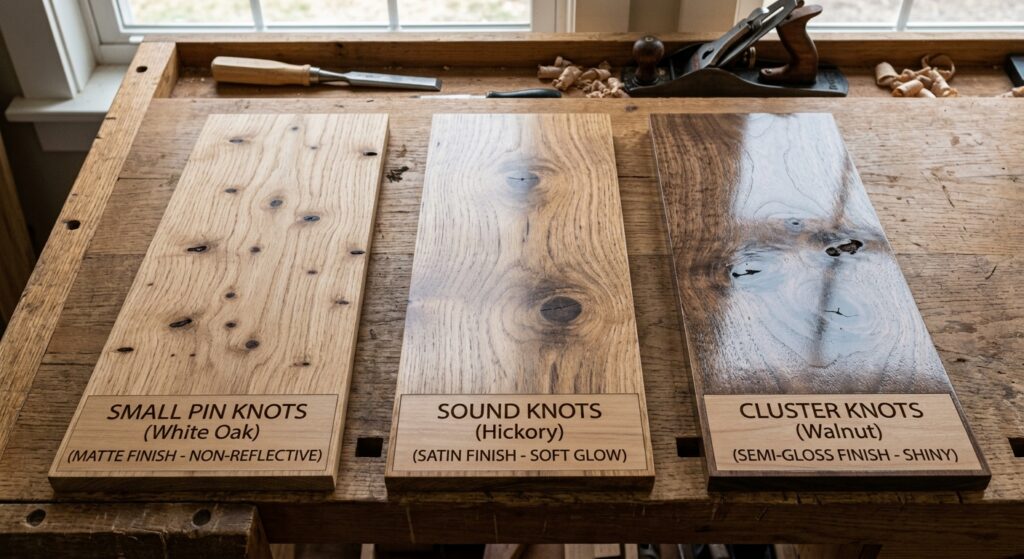
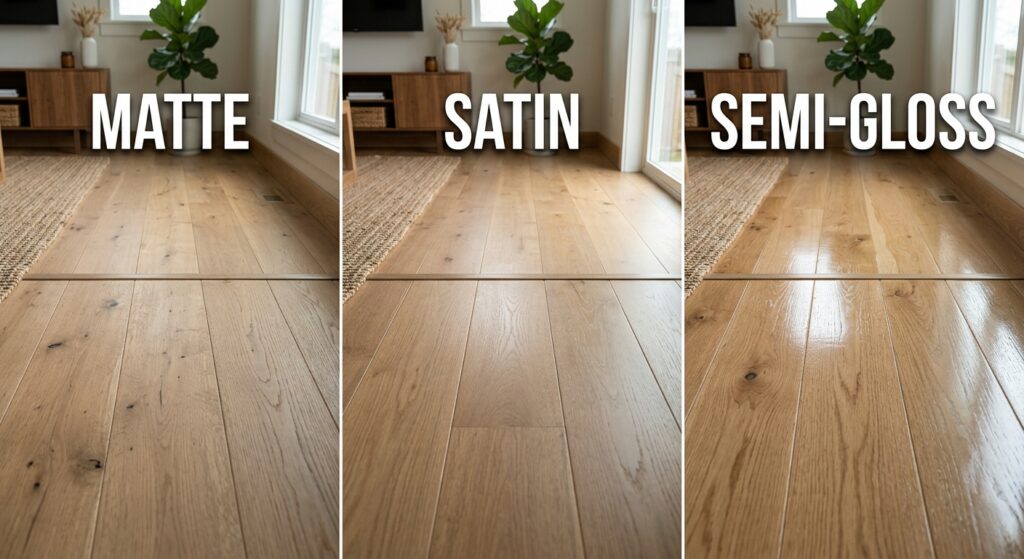
| Finish options | Fully custom stain, sheen, and texture, smooth to hand-scraped | Factory finishes and available colors |
| Repairs after damage | Planks can be replaced, laced in, and refinished to blend | May be limited by discontinued products or dye lot changes |
| Budget | Larger upfront investment, spread across a longer service life | Broader range of price points |
Actual suitability depends on indoor humidity control, subfloor condition, and installation method, so an evaluation of your specific rooms is the most reliable way to decide.
When Is Solid Hardwood the Better Fit?
- You want maximum refinishing potential over decades.
- You want a fully custom stain color, sheen, or hand-scraped texture.
- You want individual planks to be repairable and blendable years from now.
- You plan to match or extend existing hardwood elsewhere in the home.
- You want the strongest resale positioning.
If that list sounds like your home, see how we install and finish solid hardwood, and our article on what to expect when you choose solid hardwood covers the process from moisture testing to the final coat.
When Is Engineered Hardwood the Better Fit?
- You want a wider plank than solid comfortably allows.
- You want to preserve existing door and cabinet clearances.
- You want real wood at a broader range of price points.
One thing worth knowing early: engineered collections and colors are sometimes discontinued, which can turn a localized repair years from now into a larger replacement. Ask about product availability before you commit, and explore our engineered hardwood installation options.
If you are planning a new hardwood floor for a Frisco home, bring your preferred plank width and your door and cabinet questions to the consultation, and we will show you how each product handles them.
Compare full-size samples before you decide
Seeing solid and engineered planks side by side settles the width and color question faster than any photo.
Why Does Installation Matter as Much as the Material?
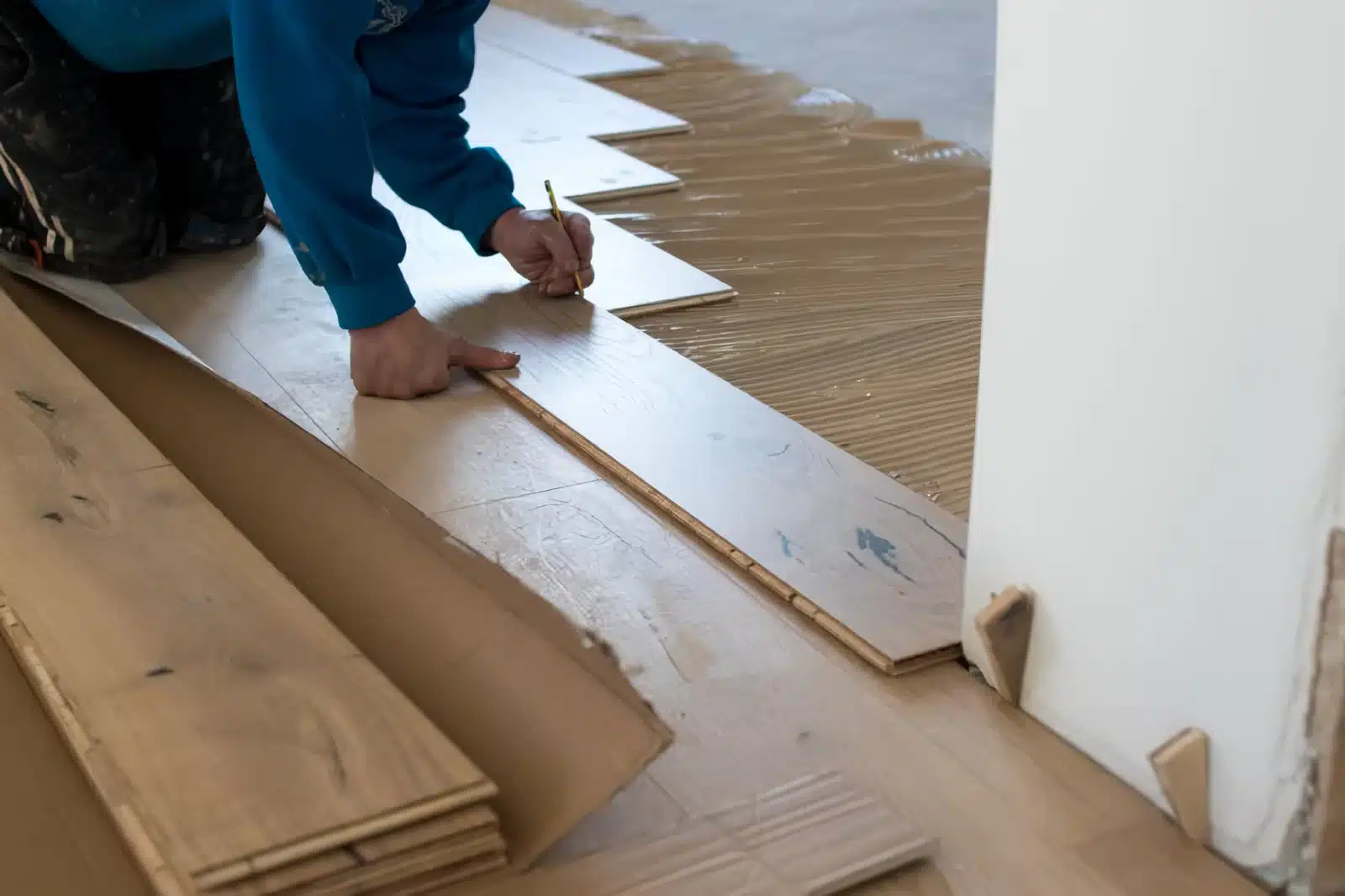
A professionally installed solid floor can outperform a poorly installed engineered floor, and the reverse is also true. Acclimation, moisture testing, subfloor preparation, and installation method all shape long-term performance, so material selection and installation planning should be handled together.
A senior project manager or one of our owners is involved in every project. They walk your home, look at what is already there, and talk through the trade-offs with you in person.
650samples in our Dallas showroom
50+ yrsof experience behind our team
NWFAmember
Same weekconsultations typically
See Solid and Engineered Hardwood in Your Own Home
Schedule a consultation and we will measure your clearances, look at your existing floors, and show you solid and engineered samples in the widths you are considering. Or meet us at our appointment-only Dallas showroom to compare 650 samples in person.
Frequently Asked Questions
Is solid or engineered hardwood better for resale?
Solid hardwood is widely considered a top-tier floor and carries the strongest resale positioning when properly installed and maintained. Engineered hardwood also adds value and buyer appeal.
Can engineered hardwood be refinished?
Often, yes, but the number of refinishes is limited by the thickness of the veneer. Check the wear layer before you buy if long-term refinishing matters to you.
Will solid hardwood mean trimming my doors?
It might. At ¾ inch, solid hardwood builds more height than a thinner engineered plank. Door and cabinet clearances are measured during the walkthrough so any trimming is planned ahead.
Can I get a hand-scraped look with engineered hardwood?
Hand scraping is a technique we apply to solid hardwood on site. Engineered floors are limited to the textures and finishes applied at the factory.