How Do You Know If There Is Mold Under a Hardwood Floor?
The quick answerFour signs point to moisture trapped beneath a hardwood floor: a musty odor that doesn’t clear with cleaning, dark staining that spreads outward over time, soft or springy spots underfoot, and cupping that doesn’t improve after the surface dries. Any one of these warrants a moisture reading. Two or more usually means lifting a section to look.
Why Does Mold Grow Under a Floor and Not on Top of It?
The top of your floor is sealed, cleaned regularly, and exposed to moving air. The underside is bare wood sitting against a subfloor in a dark, still space. When moisture gets under there, almost nothing dries it out.
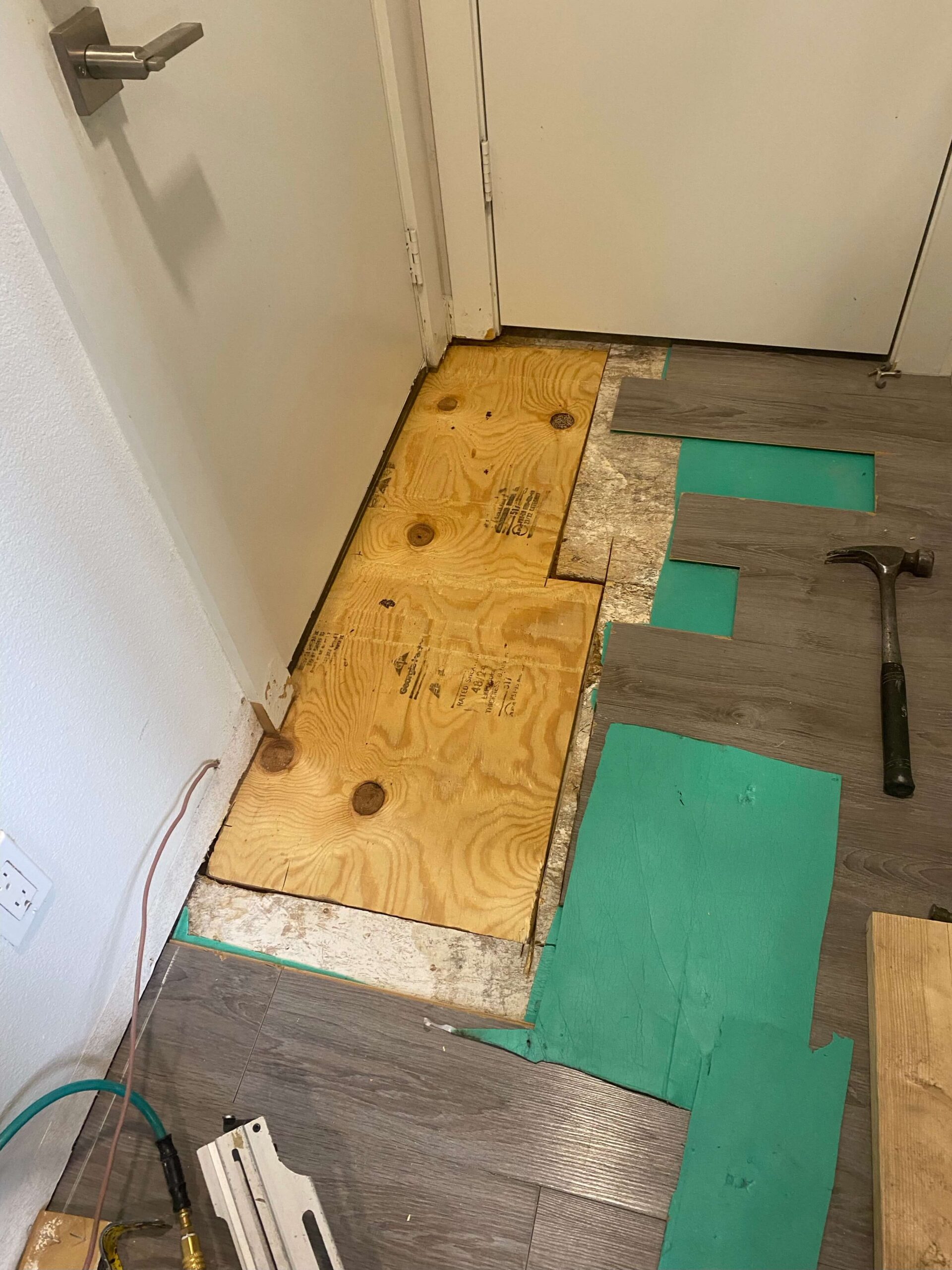
The underside of a floor sits against the subfloor with no airflow.
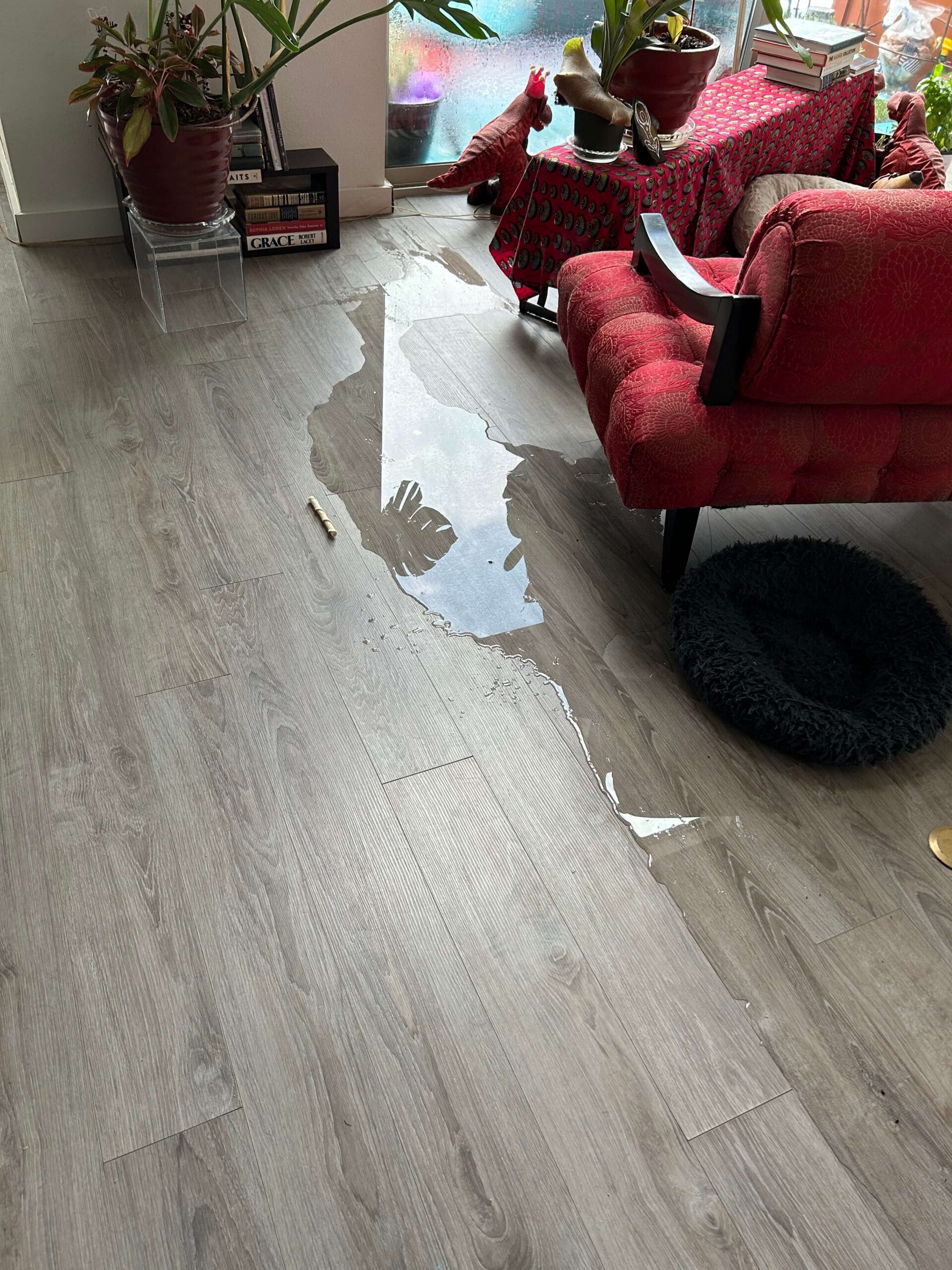
That is the whole problem in one sentence. Water that reaches the surface evaporates. Water that reaches the underside stays, and organic material plus trapped moisture plus no airflow is the condition mold needs. The same thing happens under floors sold as waterproof, which is why water can still collect beneath vinyl plank.
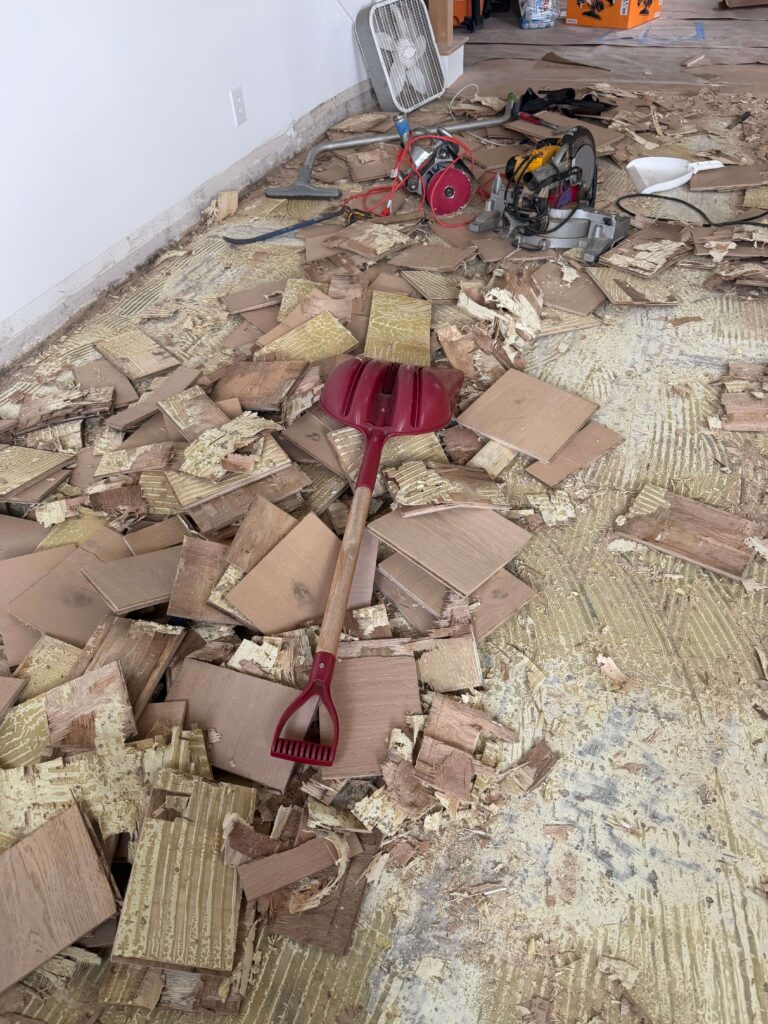
This is also why a floor can look perfectly normal from above while something is developing below it. People are often surprised by what comes up when a section is lifted, and assessing what is happening beneath the surface is the only way to know for certain.
What Does the Musty Smell Actually Tell You?
Odor is usually the first sign, and it is worth taking seriously because it means enough growth exists to produce detectable volume. A faint smell in one room that gets stronger near the floor, or when the HVAC runs, is a meaningful signal.
The test people find most useful is simple. Close the room up for several hours, then walk in and notice what you smell in the first few seconds before your nose adjusts. That first impression is more reliable than anything you notice after living with it.
A musty smell that comes and goes with the weather points to a humidity issue rather than standing moisture. A constant, localized smell points to a source.
What Do Spreading Dark Stains Mean?
A stain that stays the same size year after year is history. A stain that is visibly larger than it was six months ago means something is still feeding it.
Growth patterns tend to be irregular and soft-edged rather than sharply defined, and they often follow the seams where moisture travels most easily. Discoloration that runs in a line or fans out from a single point usually maps the path water took.
Distinguishing this from ordinary water staining takes a closer look. We cover how color indicates depth in our breakdown of what different water marks mean.
Smell something musty near the floor?
A moisture reading on the flooring and subfloor takes minutes and tells you whether something is developing underneath.
Why Are Soft Spots the Most Urgent Sign?
A floor that flexes or feels spongy underfoot tells you the problem has moved beyond the flooring and into the structure below. Wood loses strength as it decays, and softness means the material has already broken down.
This changes the scope of the work considerably. Surface repair addresses the flooring. You must replace a compromised subfloor before installing new flooring, because laying good wood over failing material only buries the problem.
Soft spots near a plumbing wall, under a dishwasher, or around an exterior door are worth investigating promptly rather than watching.
Floor feel soft or springy underfoot?
We will check the flooring and the subfloor beneath it and tell you plainly what the repair needs to include.
What About Cupping That Will Not Flatten?
Cupping means the underside is holding more moisture than the top. If it persists after weeks of normal conditions, the underside is still wet, and something is keeping it that way.
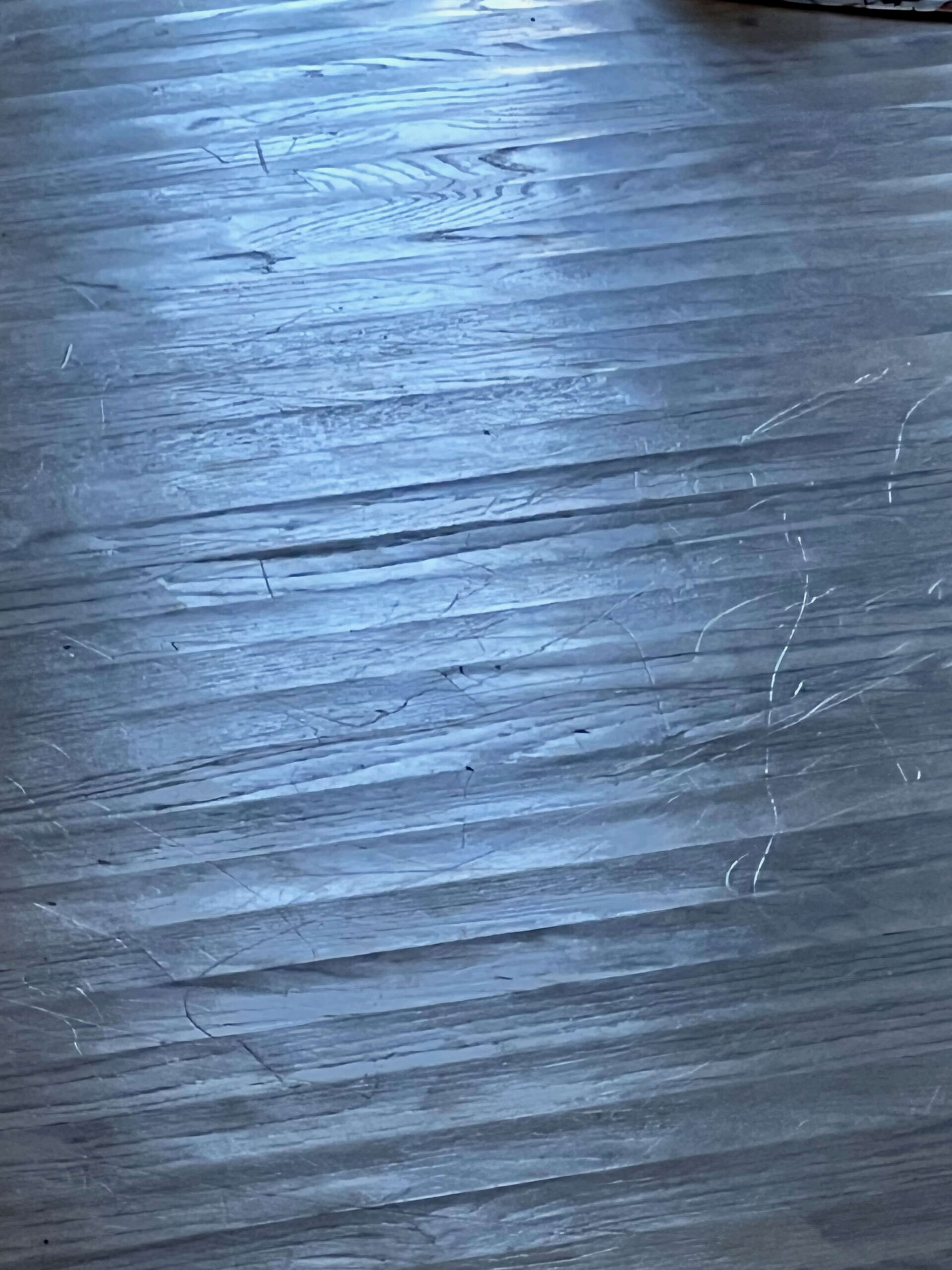
Cupping that will not relax often means the underside is still wet.
This is the sign homeowners most often dismiss, because a floor that has looked slightly uneven for a year starts to seem normal. It is not normal. We explain the mechanics and the timeline in detail in our article on why floors cup and whether they recover.
How Is It Confirmed?
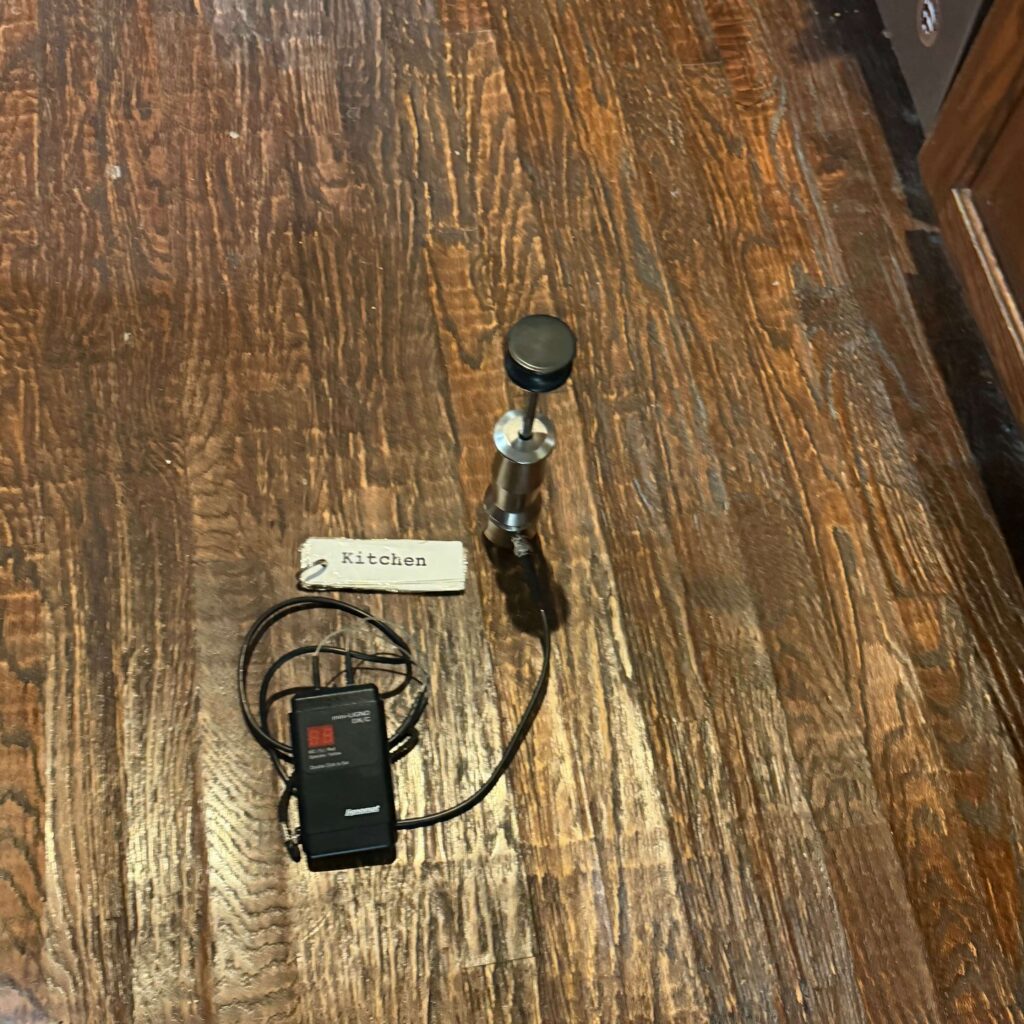
- A moisture meter on the flooring and the subfloor is the first step, and it takes minutes. Readings that sit well above normal, or that differ sharply between the flooring and what is beneath it, confirm active moisture.
- Where readings suggest a problem, the next step is lifting a small section in an inconspicuous spot. It sounds drastic, and it is not. A section can be removed and replaced cleanly, turning speculation into fact.
- If what comes up shows growth, remediation happens before flooring work begins. Flooring goes back only after the space below is dry, and the source is fixed, which is the same sequence laid out in our step-by-step guide to drying and repairing a water-damaged floor.
50+ yrsof experience behind our team
Same weekconsultations typically
Insurancedocumentation for adjusters
NWFAmember
Get the Floor Tested Before It Spreads Further
Trapped moisture does not resolve on its own, and the affected area grows the longer it sits. If your floor smells musty, feels soft anywhere, or has staining that keeps expanding, call (214) 399-1770 to schedule a consultation. We will take readings across the affected rooms and tell you plainly whether you are looking at surface damage or something underneath. We typically schedule consultations within the same week across the Dallas and Fort Worth areas we serve.
Frequently Asked Questions
Can mold under a floor be cleaned without removing the flooring?
Surface treatments do not reach the underside, so the honest answer is usually no. Where growth is confirmed beneath the floor, the affected material comes up so the space can be dried and treated properly.
Does a musty smell always mean mold?
Not always. Standing humidity, a damp space below the floor, or an HVAC issue can all produce a similar odor. A moisture reading distinguishes between them quickly.
How quickly can mold develop after a leak?
Growth can begin within a couple of days under the right conditions. This is why drying time matters so much after any water event, and why floors are verified with a meter rather than by appearance.
Will homeowners insurance cover mold remediation?
Coverage varies widely, and many policies cap mold specifically, even when the water event itself was covered. Our guide to how carriers treat water damage claims walks through what to expect.