
Category Water Damage DFW
Recent Post
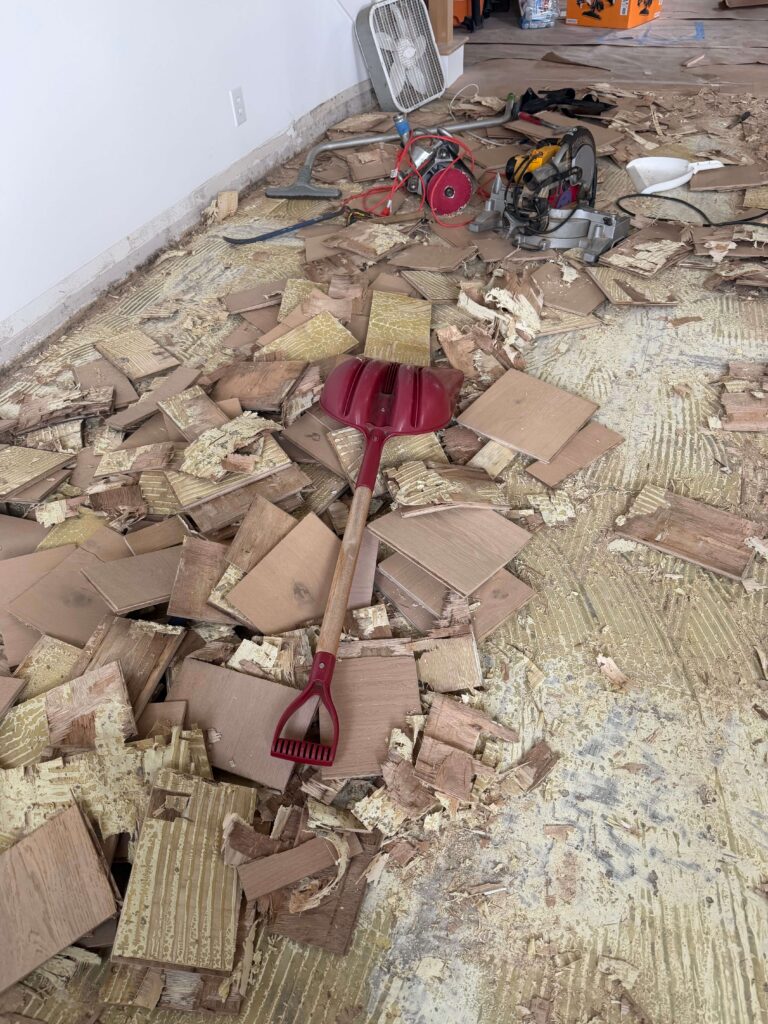
Who Repairs the Floor After Water Damage?
Two different trades handle two different halves of the job. A restoration company dries the structure and removes material that cannot be saved. A hardwood flooring company replaces damaged sections and then sands, stains, and finishes the floor so it…
Recent Post
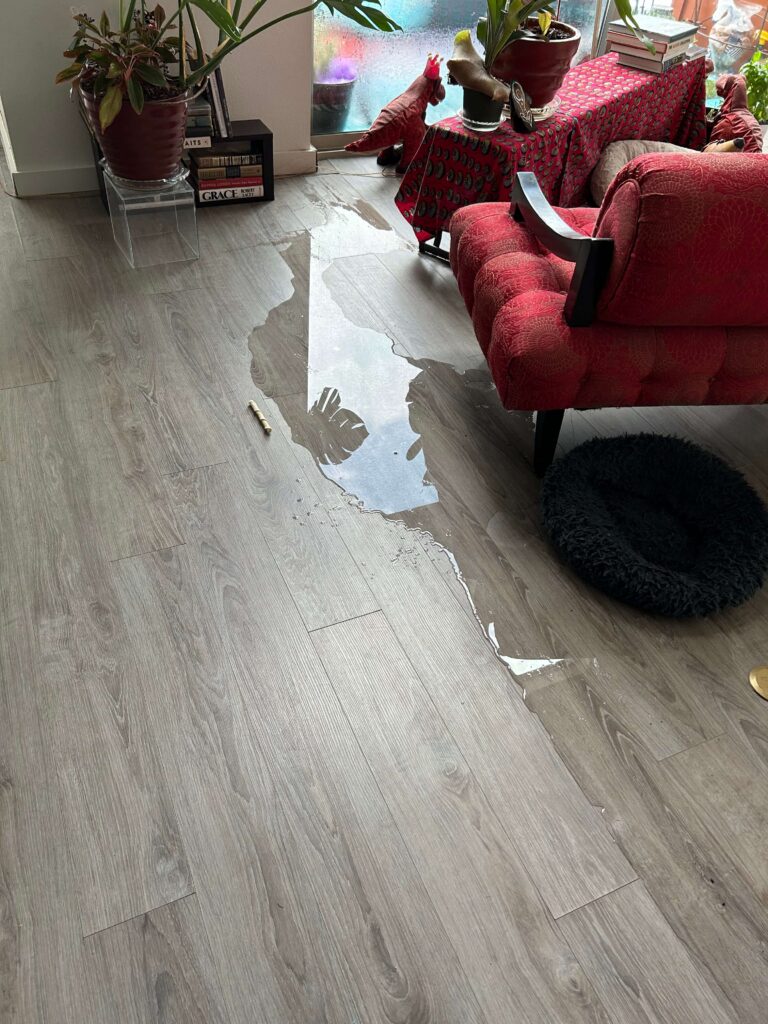
How Do You Know If There Is Mold Under a Hardwood Floor?
Four signs point to moisture trapped beneath a hardwood floor: a musty odor that doesn’t clear with cleaning, dark staining that spreads outward over time, soft or springy spots underfoot, and cupping that doesn’t improve after the surface dries. Any…
Recent Post
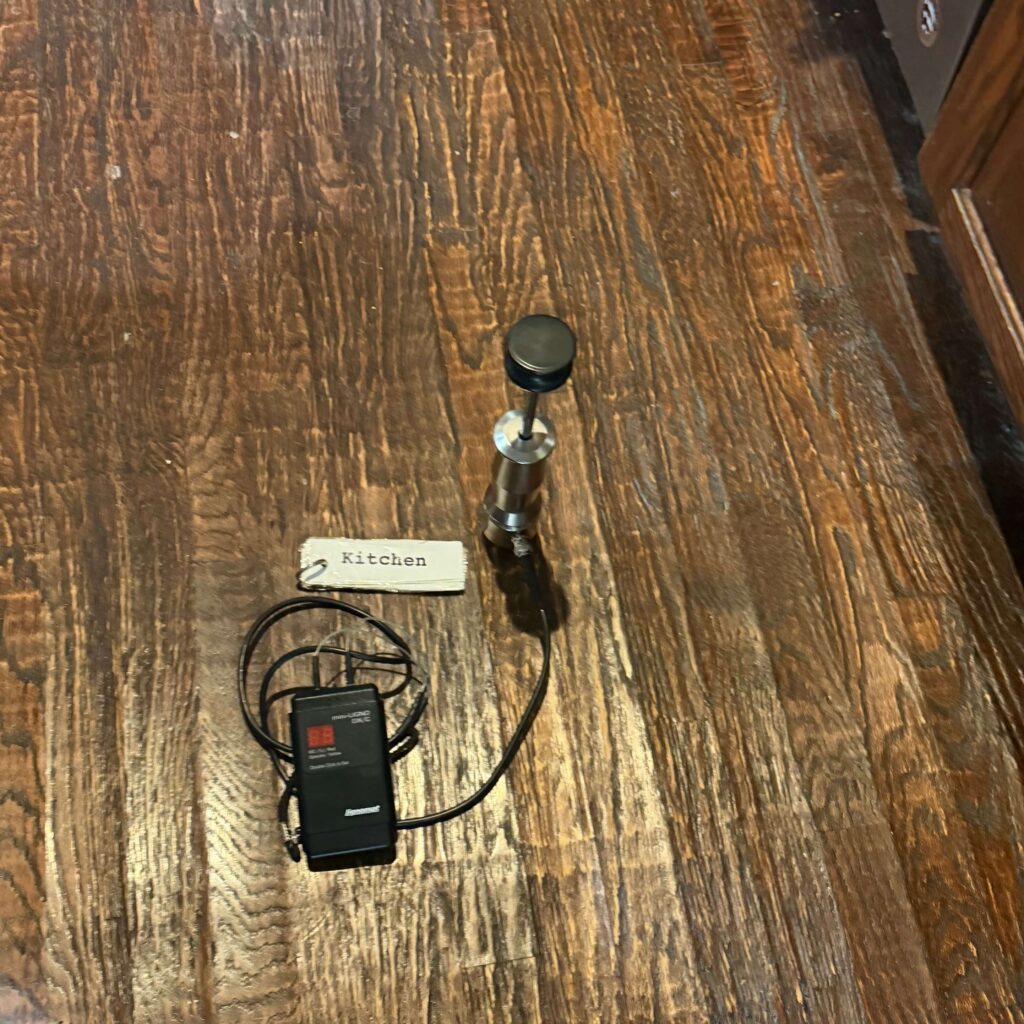
Why Are My Hardwood Floors Cupping, and Will They Flatten Back Out?
Cupping happens when the underside of the wood holds more moisture than the finished surface, causing the edges to swell and rise higher than the center. Mild seasonal cupping often flattens on its own as the wood equalizes. Cupping caused…
Recent Post
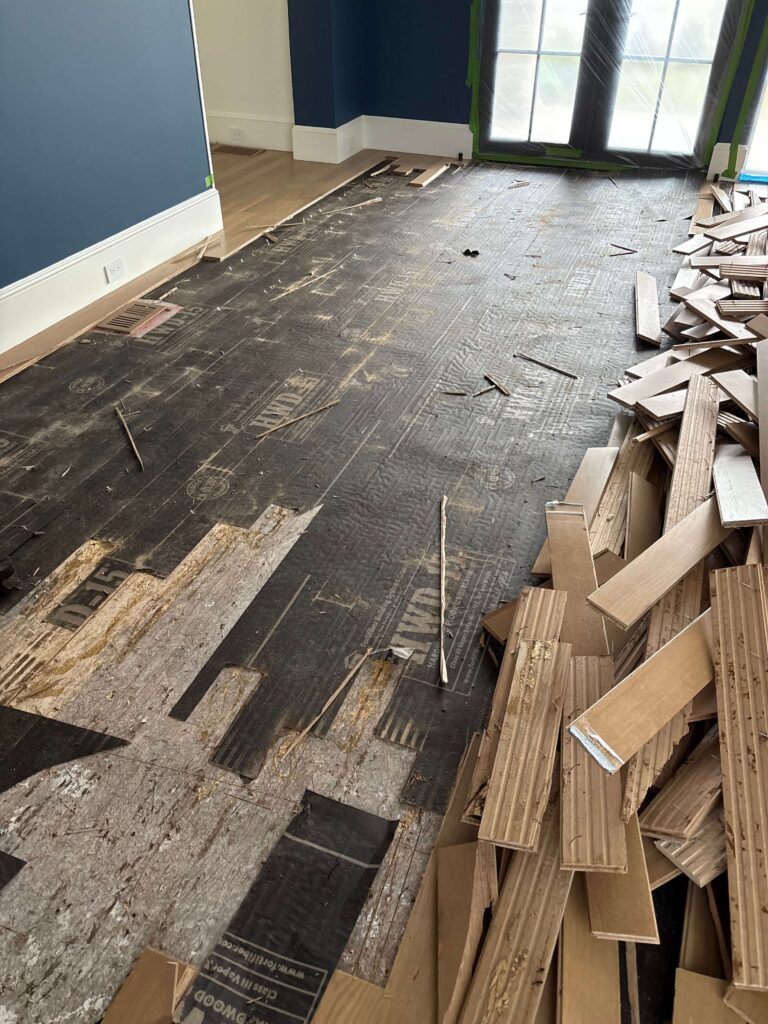
Can Water-Damaged Hardwood Floors Be Refinished, or Do They Need Replacing?
Refinishing works when the damage stays in the finish and the upper wood layer, which covers most cupping, cloudy marks, and light gray discoloration. Replacement is necessary when the wood has swollen permanently, separated into layers, or stained black through…
Recent Post
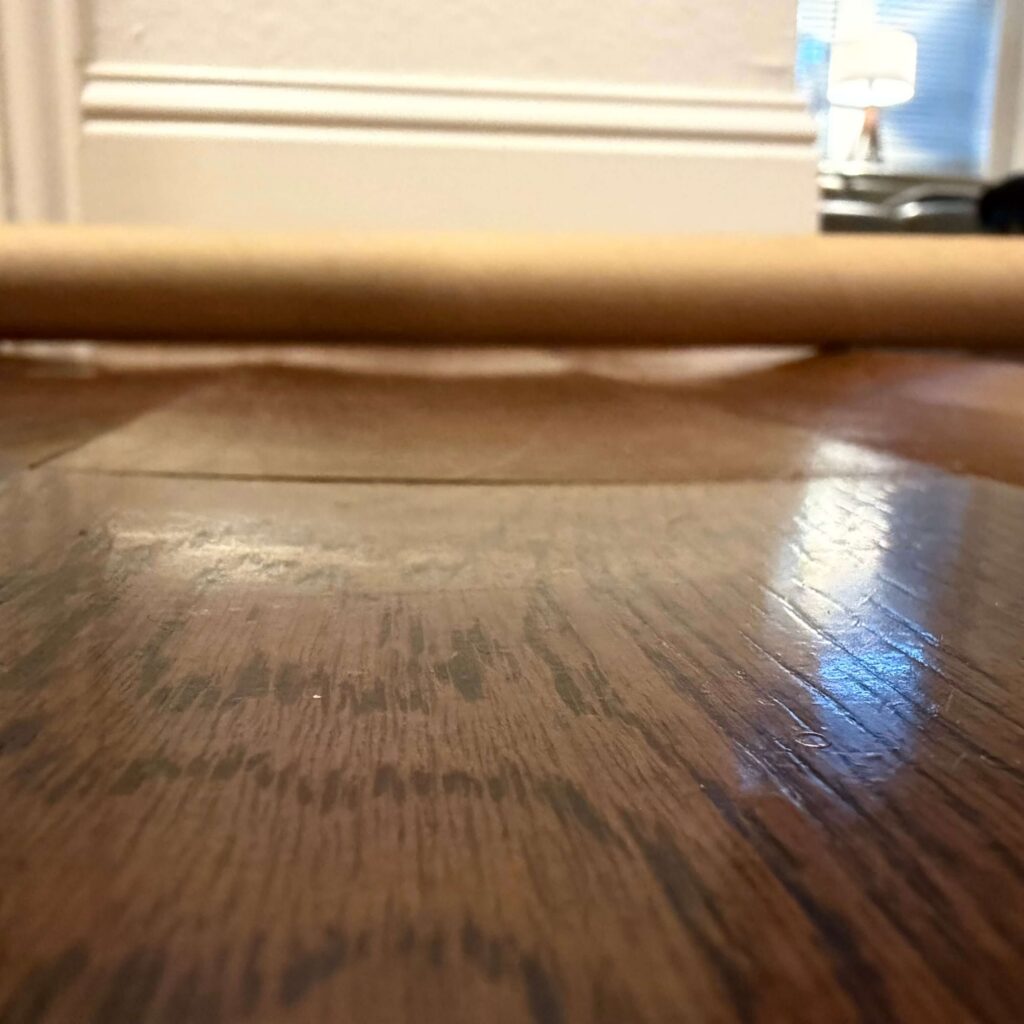
Water Stains and Dark Spots on Hardwood Floors
The mark’s color tells you how deep the water got. White or cloudy spots sit in the finish and usually sand out in a single pass. Gray means moisture reached the wood fiber and often lifts with a full sanding.…
Recent Post
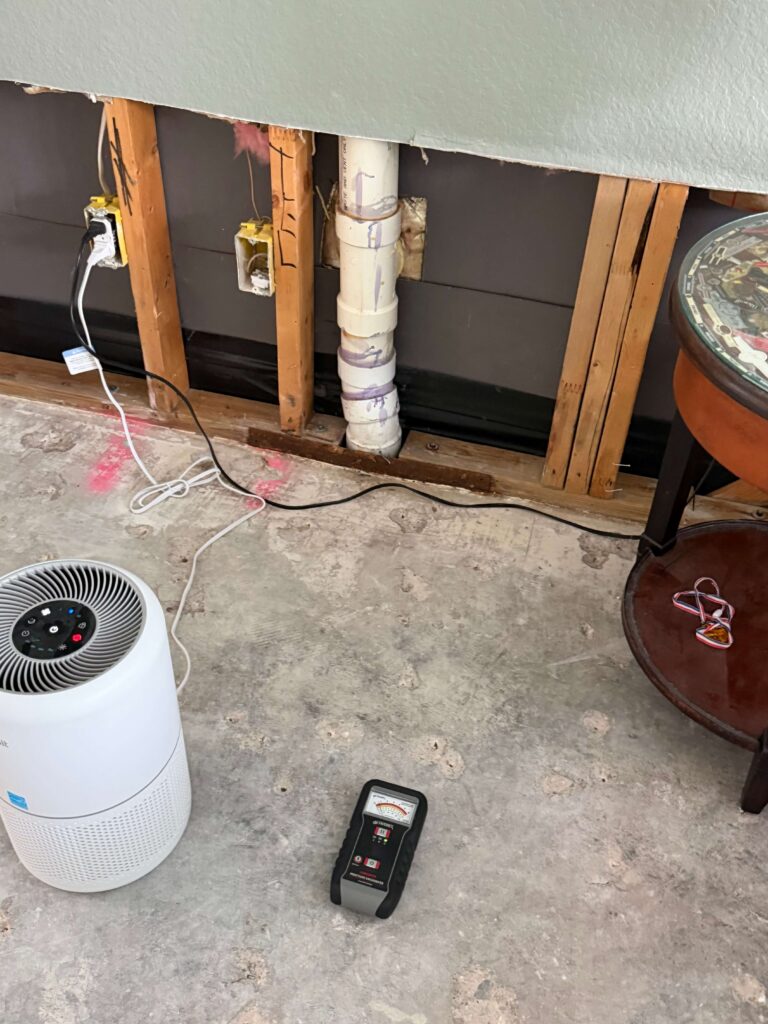
Does Homeowners Insurance Cover Water-Damaged Hardwood Floors?
Most homeowners’ policies cover hardwood floor damage when the water event is sudden and accidental, such as a burst supply line or a failed appliance. Damage that developed slowly from a long-running leak, seepage, or deferred maintenance is usually excluded.…
Recent Post
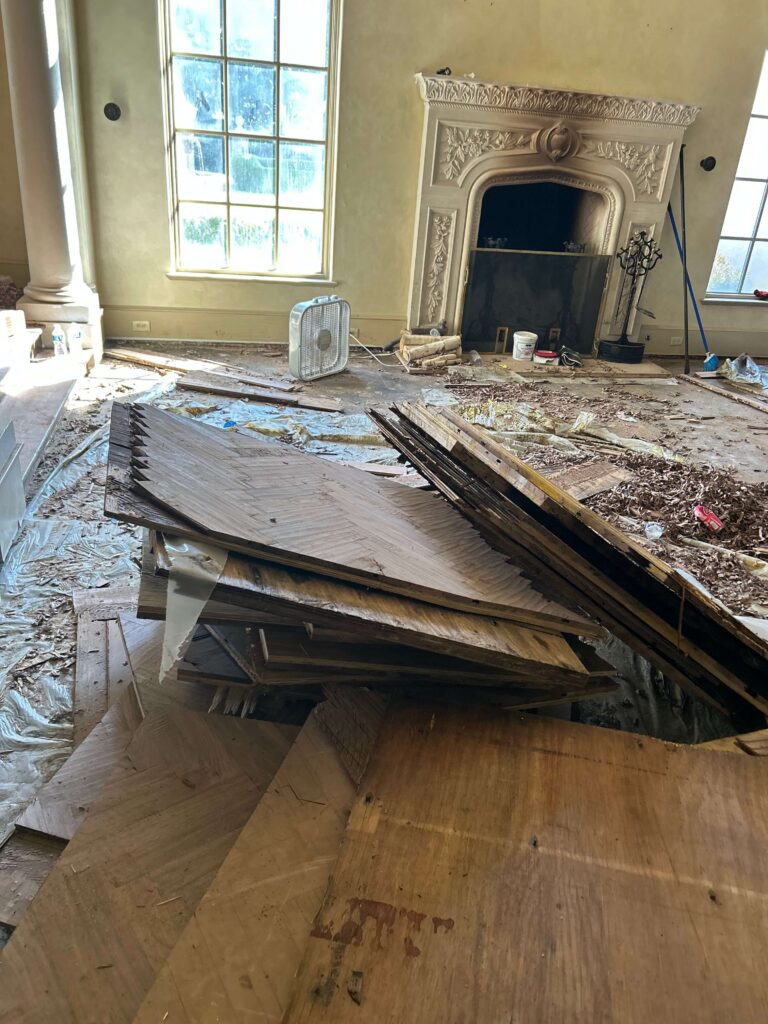
An Upstairs Leak Damaged the Floor Below: What Are My Options?
A leak from an upper level damages the floor it started on, the ceiling below, and often the floor beneath that. The upstairs flooring is usually worse because it sat in the water. Both levels need moisture readings, and the…
Recent Post
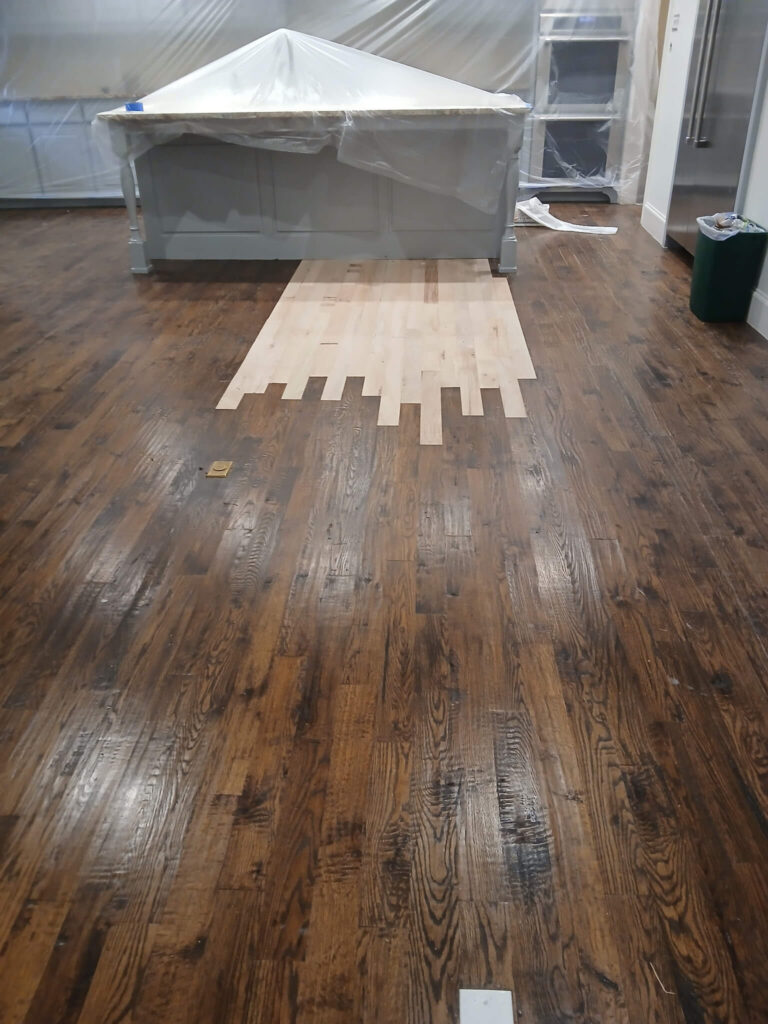
Can Engineered Hardwood Be Saved After Water Damage?
It depends on wear layer thickness. An engineered floor with a thick wear layer, roughly three millimeters or more, can usually be sanded and refinished once water damage is addressed. A thin wear layer cannot be sanded meaningfully, so replacing…
Recent Post
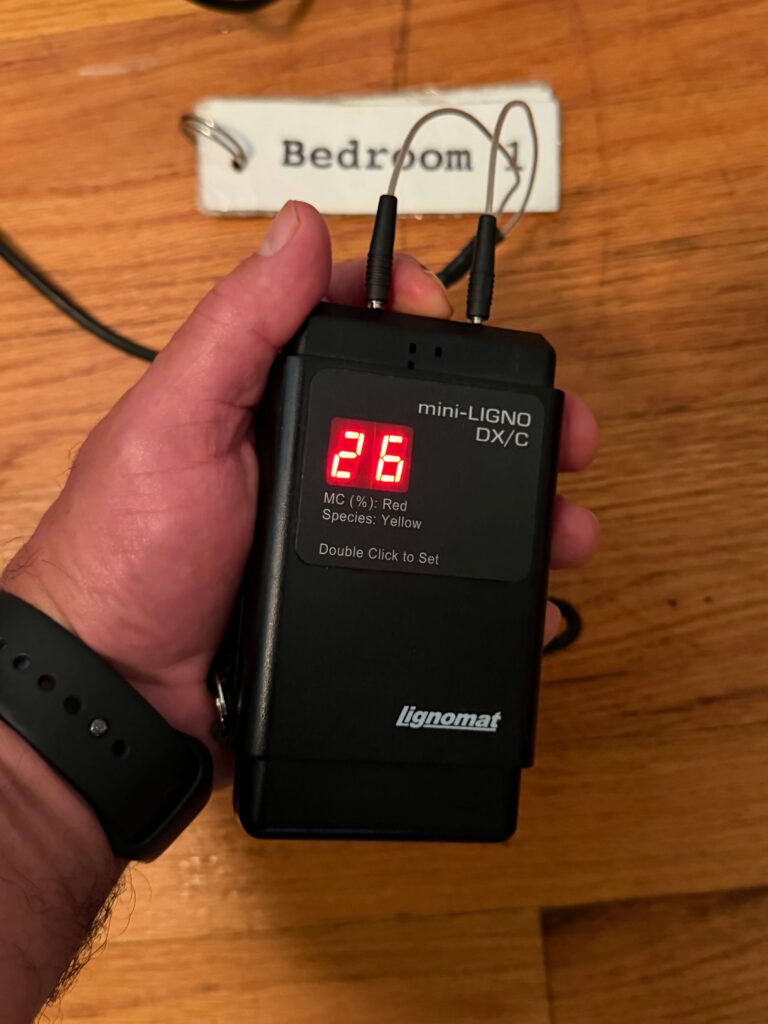
How Long Does Water Damage Repair Take on a Hardwood Floor?
Drying and moisture verification usually run one to several weeks, depending on how much water was involved and how far it traveled. Replacing damaged sections takes a day or two. Sanding and finishing the connected area takes several more days,…
Recent Post
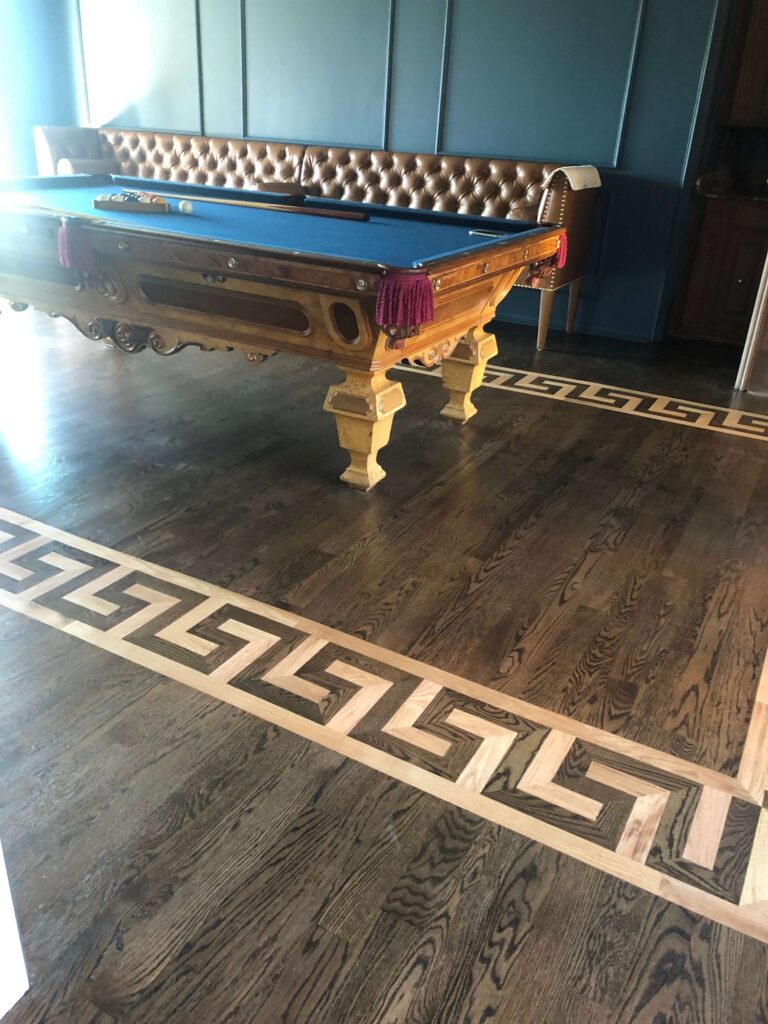
Can a Water-Damaged Section Be Replaced to Match the Rest of the Floor?
You can match the wood by species, width, and grain. You can’t match the color by installing new wood next to an aged floor, because the existing floor has darkened over years of light exposure. Matching means refinishing the connected…