Oil-Based vs Water-Based Polyurethane: Color, Cure Time, and Odor
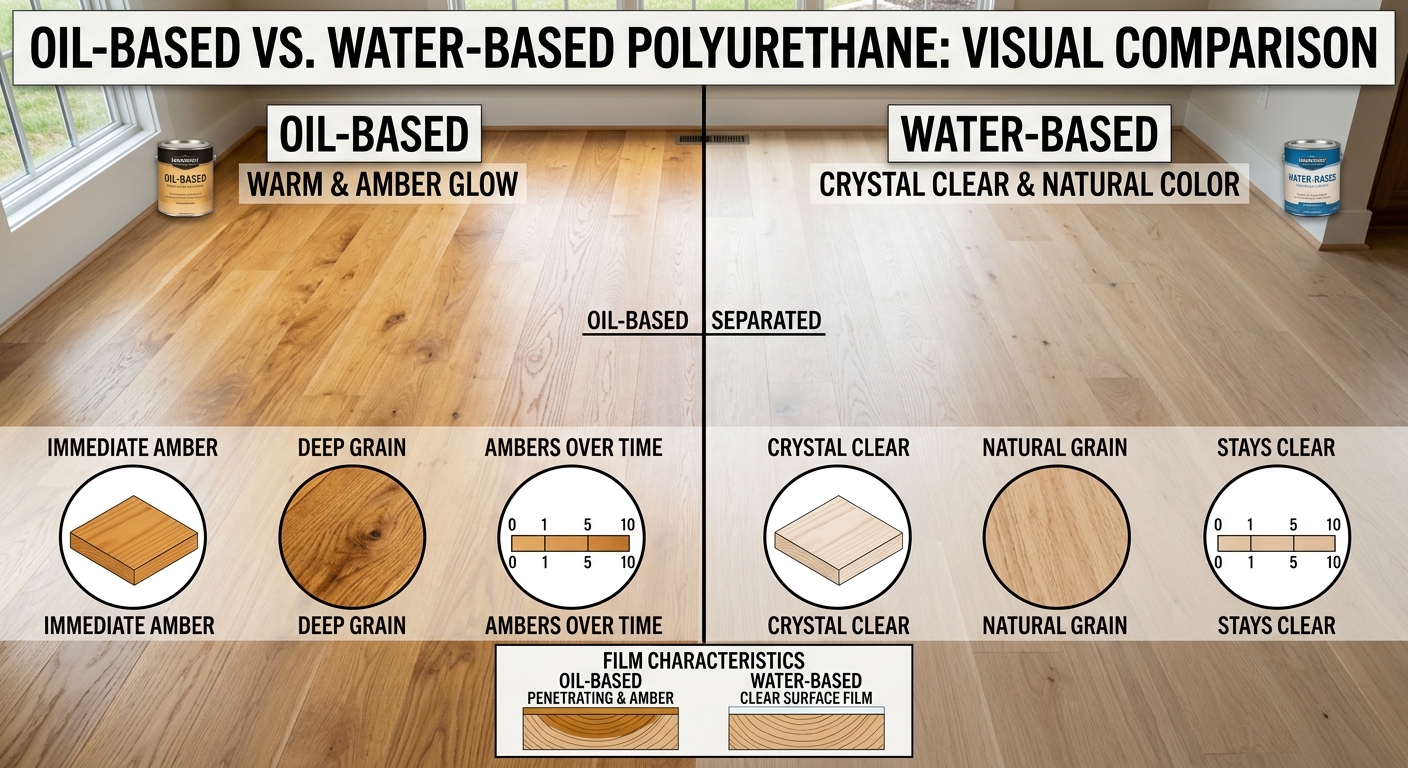
The quick answerOil-based polyurethane adds a warm amber tone the day it goes on and deepens over the years. Water-based polyurethane dries close to clear and stays that way, so the color you approve is the color you keep. Oil takes longer to dry between coats, carries a strong solvent odor during application, and needs a long cure before furniture returns.
Water-based dries in hours, has far less odor, and lets a household back into the space much sooner. Modern water-based systems match or exceed oil for durability, which was not true twenty years ago.
Is the Color Difference Between Oil and Water-Based Poly Permanent?
This decision can’t be undone without sanding, so it deserves the most thought.

Sample the stain under the finish you plan to use.
Oil-based poly contains resins that are amber in the can and that yellow further with age and light exposure. On red oak or a warm brown stain, that amber enriches the floor and is often exactly what people want. On white oak intended to read grey, greige, or natural, it is a problem. A carefully chosen cool stain under oil poly will drift warm within a year and keep going.
Water-based poly goes on milky and dries clear. A raw white oak floor sealed in water-based looks close to raw white oak for the life of the finish. Every pale, cool, and natural floor going into DFW custom builds is water-based or a hardwax oil, and it has to be. This is also why we sample colors under the actual finish system during on-site staining and finishing, since a stain viewed raw and the same stain under oil poly are two different colors.
How Long Do Oil and Water-Based Poly Take to Cure at Home?
The schedule difference is what changes daily life, and it is worth walking through rather than summarizing.
Oil-based
Each coat needs roughly eight to twenty-four hours before the next one can go down, so a three-coat job occupies several days. Solvent odor during application is strong, and it carries through the house. Light foot traffic is usually acceptable about 24 hours after the final coat; keep area rugs off for 2 to 4 weeks, and full cure takes about 30 days.
Water-based
Coats recoat in two to four hours, so it is common to apply three coats in a single day. Odor is mild and dissipates quickly. Light foot traffic is often fine the same evening or the next morning; rugs can typically go back within a week to ten days, and full cure runs closer to two weeks.
For a family staying in the home, or for anyone with respiratory sensitivity, that difference decides the project. It is one of the first questions we work through at the consultation, because the sequence a refinishing job follows has to fit around the people living in the house.
Staying in the house during the work?
We will plan the finish system and the schedule around your household, so you know when each room is back in use.
Is Oil-Based Polyurethane More Durable Than Water-Based?
Oil-based poly earned a reputation for toughness in an era when water-based finishes were genuinely inferior. That gap closed. Current commercial-grade water-based systems, particularly two-component versions that are catalyzed before application, meet or beat oil for abrasion resistance and are what most high-traffic commercial floors use.
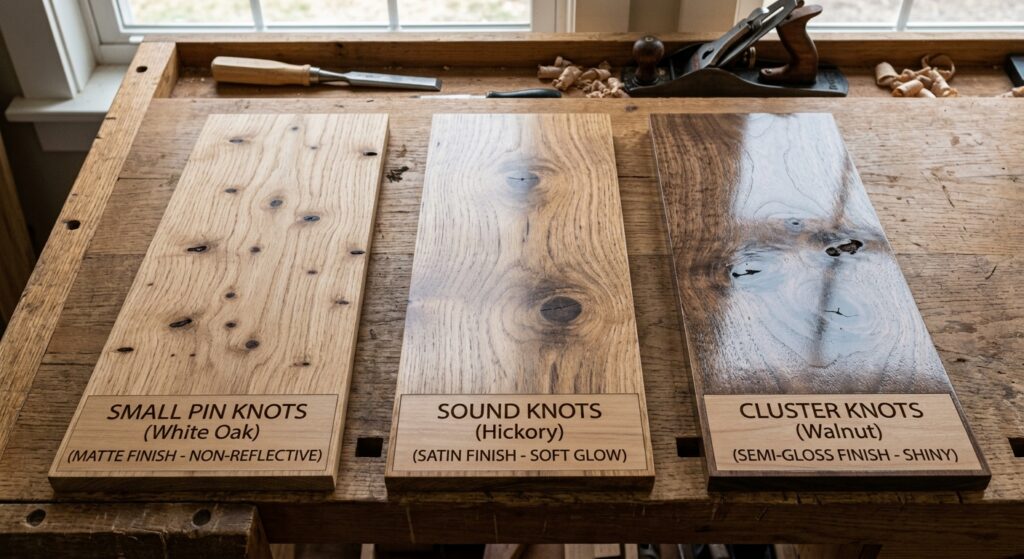
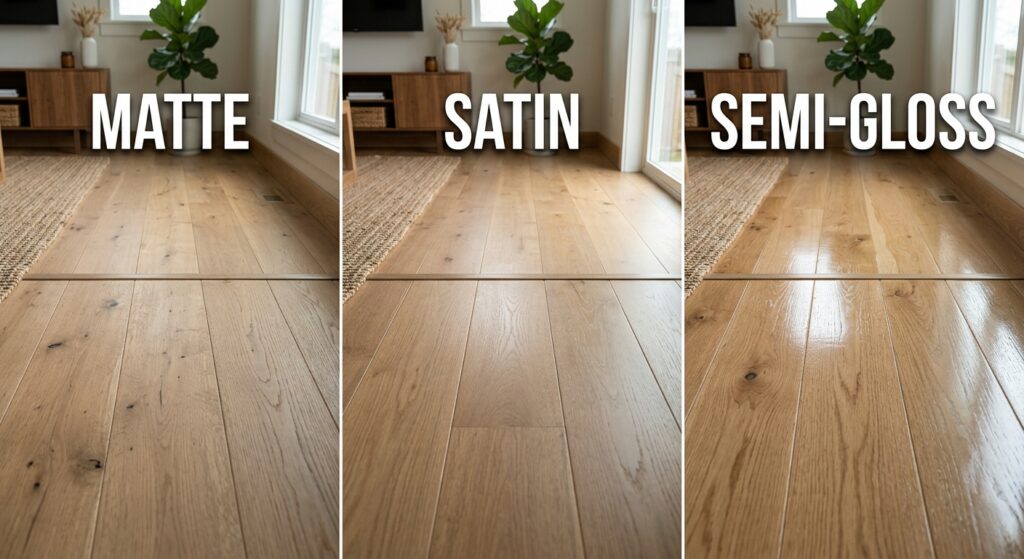
Oil retains a small edge in build. It lays down a slightly thicker film per coat, which some installers prefer over uneven old flooring. Water-based is clearly ahead in scratch visibility, since a clear film doesn’t show a scratch as a pale line through an amber layer. Sheen plays a part as well, because matte, satin, and semi-gloss each show scratches differently.
How Do Cost and Coat Count Compare for Each Polyurethane?
Material cost per gallon is higher for quality water-based systems, sometimes substantially. Labor cost often runs the other way, because a water-based job can be finished in fewer days on site. Quotes for the two frequently land closer together than the material prices suggest.
Coat counts differ as well. Oil is typically applied as a sealer plus two coats. Water-based is often a sealer plus two or three, and some systems specify more. Compare quotes on the number of coats and the specific product, not on the category alone. That holds whether you are refinishing an existing floor or planning hardwood floor installation in Prosper on a new build.
What Should You Expect With Each Polyurethane Finish?
| Oil-Based Polyurethane | Water-Based Polyurethane | |
|---|---|---|
| Color on day one | Warm amber cast | Nearly clear |
| Color in five years | Noticeably deeper and more golden | Very close to day one |
| Suits cool and light colors | No | Yes |
| Suits warm browns and traditional | Yes, enhances them | Yes, keeps them true |
| Recoat window between coats | Eight to twenty-four hours | Two to four hours |
| Odor during application | Strong solvent | Mild |
| Light foot traffic | About twenty-four hours after final coat | Often same evening |
| Rugs back down | Two to four weeks | One to two weeks |
| Full cure | About thirty days | About two weeks |
| Scratch visibility | Shows as a pale line through amber | Less visible |
| Occupied home during work | Difficult | Manageable for most families |
Deciding between oil and water-based?
We will sample your stain under both finish systems on your own floor, so you see the real color before anything is applied.
Which Polyurethane Should You Choose for Your Floor?
Color decides it more often than durability does. Anything grey, greige, light, or natural has to be water-based or hardwax oil, because oil poly will pull it warm within a year. Warm browns and traditional floors are the opposite case, where the amber is doing you a favor. Homeowners planning hardwood floor installation in Southlake with a light, natural white oak should settle on water-based before the stain is sampled. If the house cannot be vacated, that settles it independently, since water-based gives you your rooms back in days rather than weeks.

The finish system is part of the final floor color.
Matching matters here more than people expect. If a previous refinish used oil and you are extending into a new room with water-based, the two areas will not look the same in three years even if they match on the day of installation. Whenever we are blending new areas into an existing floor we match the finish system, not just the stain color. Choosing the finish system yourself is only possible with a floor sanded and finished on site, since prefinished flooring arrives with its finish already applied.
On-sitefinishing to match your floor
3 generationsfamily-owned
50+ yrsof experience behind our team
Same weekconsultations typically
The Finish Is Part of the Color
A stain approved raw and the same stain under oil poly are two different colors, and the second one keeps changing for years. Choosing the finish after the color is how people end up surprised. We sample the complete system on your actual floor. Call (214) 399-1770 or schedule a consultation.
Questions About Polyurethane Finishes
Can water-based polyurethane go over an existing oil-based finish?
Only over a properly abraded surface with the right primer, and results vary. It is routine on a fresh sand down to bare wood. Over an intact oil finish, it is a specialty situation, and adhesion failure is the risk. Test it in an inconspicuous area first.
Does water-based polyurethane really last as long?
Current commercial-grade systems, especially two-component catalyzed products, match or exceed oil for abrasion resistance. The old reputation dates to earlier generations of water-based finishes. Compare the specific product and the number of coats rather than the category.
How long before we can move furniture back?
Light foot traffic is usually fine within a day of the final coat with either system. Furniture generally goes back after several days, but felt pads matter, and you should lift heavy pieces rather than slide them. Area rugs wait longest, since trapping solvent under a rug during cure causes discoloration.
Will oil-based polyurethane keep getting darker forever?
It ambers most noticeably in the first year or two, then continues more slowly. Sunlight accelerates it, so areas under rugs or furniture stay lighter, and the difference becomes visible when the room is rearranged. Water-based finishes avoid that pattern almost entirely.